Can Dogs Feel Sad?
Dogs are often described as loyal, loving, and emotionally intelligent companions. Anyone who has lived with a dog knows that they express joy through wagging tails, excitement through playful jumps, and affection through quiet closeness. But what about sadness? Can dogs feel sad in the same way humans do, or are we simply projecting our emotions onto them?
This question has fascinated dog owners, veterinarians, and scientists for years. Modern research now confirms that dogs do experience emotional states similar to sadness, though they express and process these emotions differently from humans. Understanding dog sadness is important not only for emotional bonding but also for improving a dog’s overall mental and physical health.
In this in-depth guide, we explore what science says about dog emotions, how sadness appears in dogs, what causes it, how long it lasts, and most importantly, what dog owners can do to help.
Understanding Emotions in Dogs
Dogs evolved alongside humans for thousands of years. During this long relationship, dogs developed advanced social intelligence that allows them to read human expressions, respond to tone of voice, and form deep emotional bonds. This emotional connection is not imaginary—it is supported by neuroscience.
Studies using MRI scans show that dogs have similar brain structures to humans in areas responsible for emotion. The limbic system, which plays a key role in emotional responses, is active in dogs when they experience pleasure, fear, or stress. When dogs are praised or shown affection, their brains release dopamine and oxytocin—the same “feel-good” chemicals released in humans.
Because of this, dogs are capable of experiencing basic emotions such as happiness, fear, anxiety, and sadness. While dogs may not reflect on their feelings the way humans do, they absolutely feel emotional states in the present moment.
What Does Sadness Mean for Dogs?
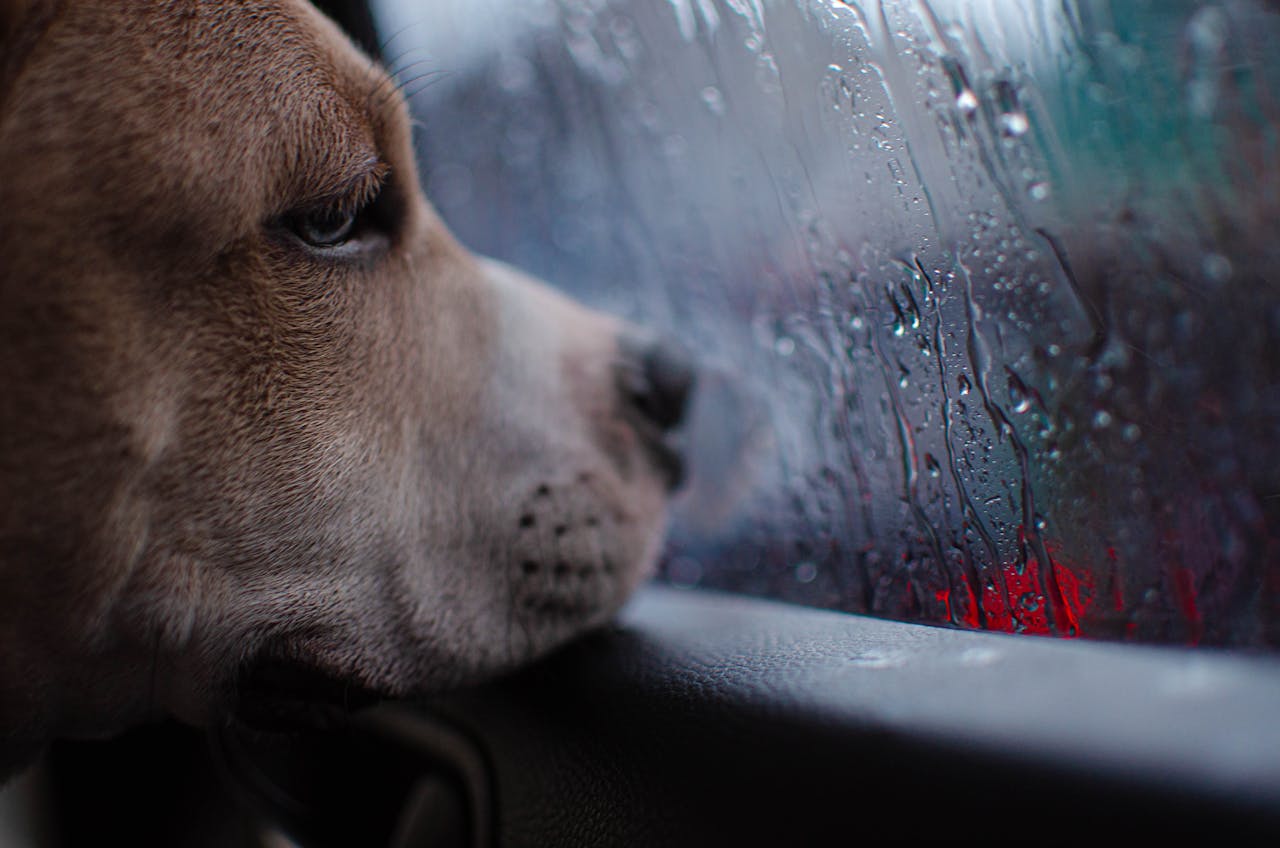
Sadness in dogs is best described as a temporary emotional low rather than a deep, complex emotion like human depression. Dogs live more in the present than humans, so their sadness is often directly linked to specific situations or changes in their environment.
A sad dog may appear withdrawn, less playful, or uninterested in activities they once enjoyed. They may sleep more than usual, avoid interaction, or show changes in appetite. These behaviors are not random—they are the dog’s way of responding emotionally to something that has disrupted their sense of security or routine.
In most cases, dog sadness is short-term and resolves once the cause is addressed. However, if left unrecognized, prolonged emotional distress can lead to behavioral problems and even physical health issues.
Scientific Evidence: Do Dogs Feel Sad?
Scientific research strongly supports the idea that dogs feel emotions similar to sadness. Behavioral studies have shown that dogs respond emotionally to separation, loss, and reduced social interaction. When dogs are separated from their owners, stress hormones like cortisol increase, while happiness-related hormones decrease.
One famous study observed dogs reunited with their owners after separation. The dogs showed strong emotional responses such as tail wagging, whining, and increased heart rate, indicating emotional attachment. This same attachment explains why dogs experience emotional distress when that bond is disrupted.
Additionally, veterinarians recognize a condition known as canine depression, which, while not identical to human depression, involves similar behavioral symptoms. This condition often occurs after major life changes and is now widely accepted in veterinary behavioral science.
Common Signs of Sadness in Dogs
Dogs express sadness through behavior rather than words. Recognizing these signs early helps owners provide timely emotional support.
One of the most noticeable signs is a loss of interest in play or activities. A dog that once greeted you enthusiastically may now seem indifferent. Reduced energy, excessive sleeping, or hiding in quiet corners are also common indicators.
Changes in appetite are another key sign. Some dogs eat less when they feel emotionally low, while others may eat more for comfort. Vocal changes such as whining, excessive barking, or unusual silence can also reflect emotional distress.
Physical posture often changes as well. A sad dog may hold their head lower, avoid eye contact, or appear tense. These subtle cues are easy to miss but speak volumes about a dog’s emotional state.
What Causes Sadness in Dogs?
Sadness in dogs usually has a clear trigger. Understanding the cause is essential for effective support.
One of the most common causes is separation from a loved one. This could be the death of another pet, a family member moving away, or long periods of owner absence. Dogs form strong emotional attachments, and losing that connection can deeply affect them.
Changes in routine also play a major role. Dogs thrive on predictability. Moving to a new home, changes in feeding schedules, or reduced exercise can create confusion and stress, leading to emotional withdrawal.
Illness or pain is another overlooked cause. Dogs that feel unwell may appear sad simply because they are uncomfortable. Emotional changes are often one of the first signs of an underlying health issue.
Can Dogs Grieve?
Yes, dogs can grieve. Grief in dogs has been observed when they lose a companion, whether human or animal. Dogs that lose a bonded partner often show signs of sadness, confusion, and searching behavior.
Some dogs may wait by doors, sleep in places where the lost companion used to rest, or become unusually clingy. Others may withdraw and lose interest in their surroundings. This grieving process varies from dog to dog, just like in humans.
The good news is that dogs usually adapt over time. Gentle routine, patience, and emotional reassurance help them process loss and regain emotional balance.
Difference Between Sadness and Depression in Dogs
It is important to distinguish between temporary sadness and clinical depression in dogs. Sadness is usually short-term and linked to a specific event. Depression, on the other hand, lasts longer and significantly affects daily functioning.
A depressed dog may show persistent lack of interest, chronic lethargy, social withdrawal, and behavioral changes lasting several weeks or months. Veterinary behaviorists consider this a serious condition that may require professional intervention.
If sadness lasts longer than two to three weeks or worsens over time, a veterinarian should be consulted to rule out medical or psychological causes.
How Long Does Sadness Last in Dogs?
In most cases, dog sadness lasts from a few days to a few weeks, depending on the cause and the level of support provided. Dogs with strong routines and attentive owners tend to recover faster.
Situational sadness, such as missing an owner after a short trip, often resolves quickly. Grief-related sadness may take longer, especially if the bond was strong.
Consistency, reassurance, and positive interaction significantly shorten recovery time and help dogs return to their normal emotional state.
How to Help a Sad Dog Feel Better
Helping a sad dog requires patience, empathy, and understanding. The first step is maintaining routine. Regular feeding times, walks, and play sessions provide a sense of stability that dogs find comforting.
Physical exercise is especially powerful. Walks, playtime, and outdoor exploration stimulate the release of endorphins, naturally improving mood. Mental stimulation through puzzle toys or training exercises also helps redirect emotional energy.
Affection matters, but balance is important. Comfort your dog without reinforcing withdrawal behaviors. Calm presence, gentle touch, and positive reinforcement are far more effective than excessive sympathy.
Diet and Emotional Health in Dogs
Nutrition plays a surprising role in a dog’s emotional well-being. A balanced diet supports brain function and hormone regulation. Poor nutrition can contribute to lethargy, irritability, and emotional imbalance.
Foods rich in omega-3 fatty acids support brain health and may help regulate mood. High-quality protein is essential for neurotransmitter production. Consistent feeding schedules also provide emotional comfort.
Avoid sudden diet changes, as they can cause digestive upset and increase stress levels in emotionally sensitive dogs.
When to See a Veterinarian
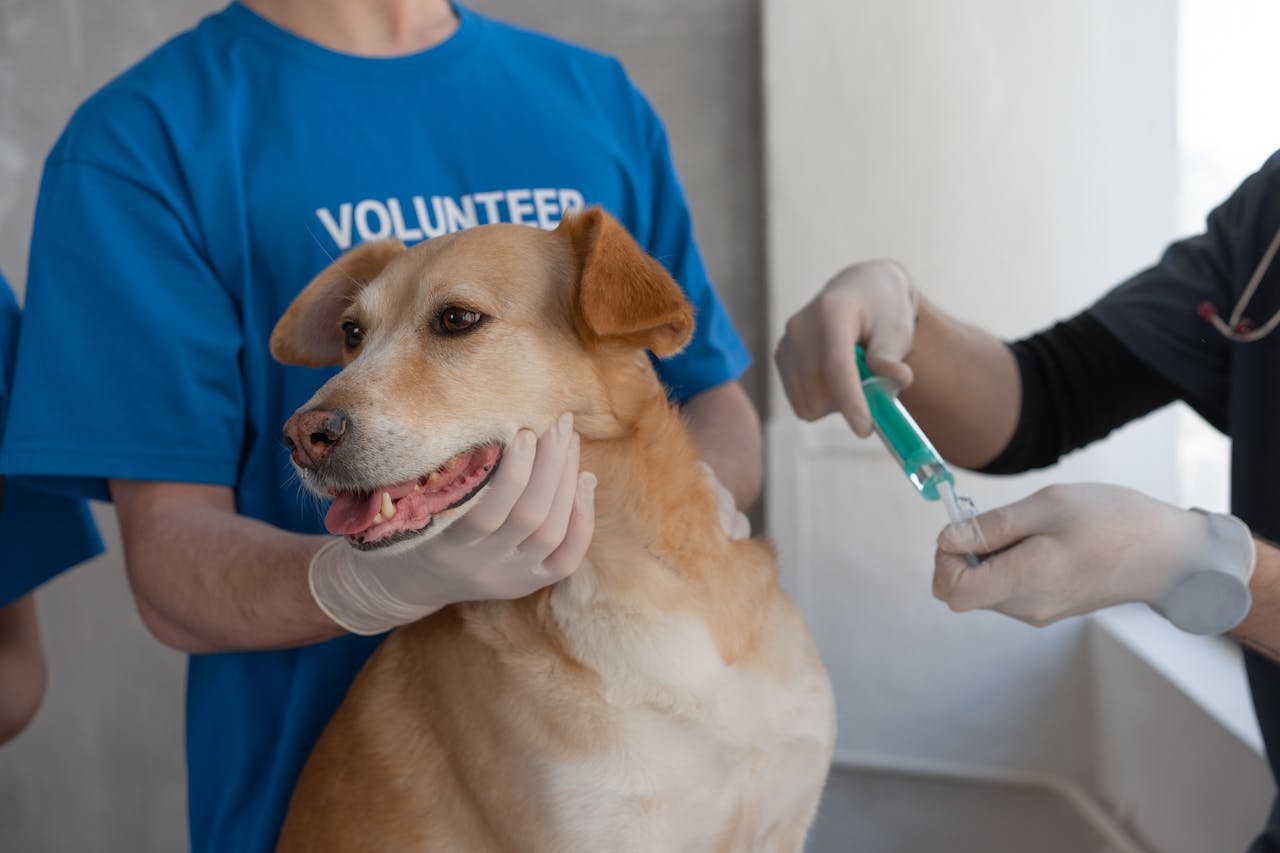
If a dog’s sadness is persistent, severe, or accompanied by physical symptoms, veterinary attention is necessary. Weight loss, vomiting, limping, or changes in elimination habits may indicate underlying illness.
Veterinarians can assess both physical and emotional health and recommend treatment options, including behavioral therapy or medication in severe cases.
Early intervention prevents emotional distress from escalating into long-term behavioral or health problems.
Can Puppies Feel Sad?
Yes, puppies can feel sad too. Puppies are emotionally sensitive and rely heavily on human interaction and routine. Changes in environment, lack of socialization, or harsh training methods can cause emotional distress.
Proper socialization, gentle training, and consistent care help puppies develop emotional resilience and confidence.
Breed Differences in Emotional Sensitivity
Some dog breeds are more emotionally sensitive than others. Breeds like Labrador Retrievers, Golden Retrievers, Border Collies, and German Shepherds form strong emotional bonds and may be more affected by separation or loss.
Independent breeds may express sadness more subtly, but that does not mean they are unaffected. Every dog is unique, and emotional expression varies widely.
Can Dogs Feel Lonely?
Loneliness is closely linked to sadness in dogs. Dogs are social animals and need companionship. Long periods of isolation can lead to emotional distress, anxiety, and destructive behaviors.
Providing companionship, interactive toys, or even another pet can reduce loneliness and improve emotional health.
Hachi: A Dog's Tale
One of the saddest dog movies ever made. Based on a true story, it shows a dog’s unwavering loyalty as he waits for his owner every day—even after the owner never returns. This film is often cited in scientific and emotional discussions about canine attachment and grief.
Emotional Health and the Human-Dog Bond
Understanding that dogs can feel sad strengthens the human-dog relationship. Emotional awareness allows owners to respond with compassion rather than frustration.
Dogs that feel emotionally supported are more confident, better behaved, and healthier overall. Emotional care is just as important as physical care.
So, can dogs feel sad? Science clearly says yes. Dogs experience emotional lows in response to loss, change, illness, and loneliness. While their sadness is different from human sadness, it is very real and deserves attention.
With understanding, routine, affection, and proper care, most dogs recover quickly and continue to live happy, emotionally balanced lives. Recognizing and respecting a dog’s emotional world deepens the bond we share with them and ensures they thrive both mentally and physically.