Bulldog
Quick Facts
Temperament: Docile, Willful, Friendly
Height: 31 - 40 cm
Weight: 18 - 23 kg
Life Expectancy: 8-10 years
Barking Level: Moderate
Traits
About
Bulldogs are calm, affectionate, and deeply people-oriented. Their love is steady and comforting — they don’t demand attention constantly, but they want to be close, sharing space and quiet moments. A Bulldog’s affection feels grounding, like a loyal presence that never fades.
Bulldog — The Gentle Strength with a Soft Heart
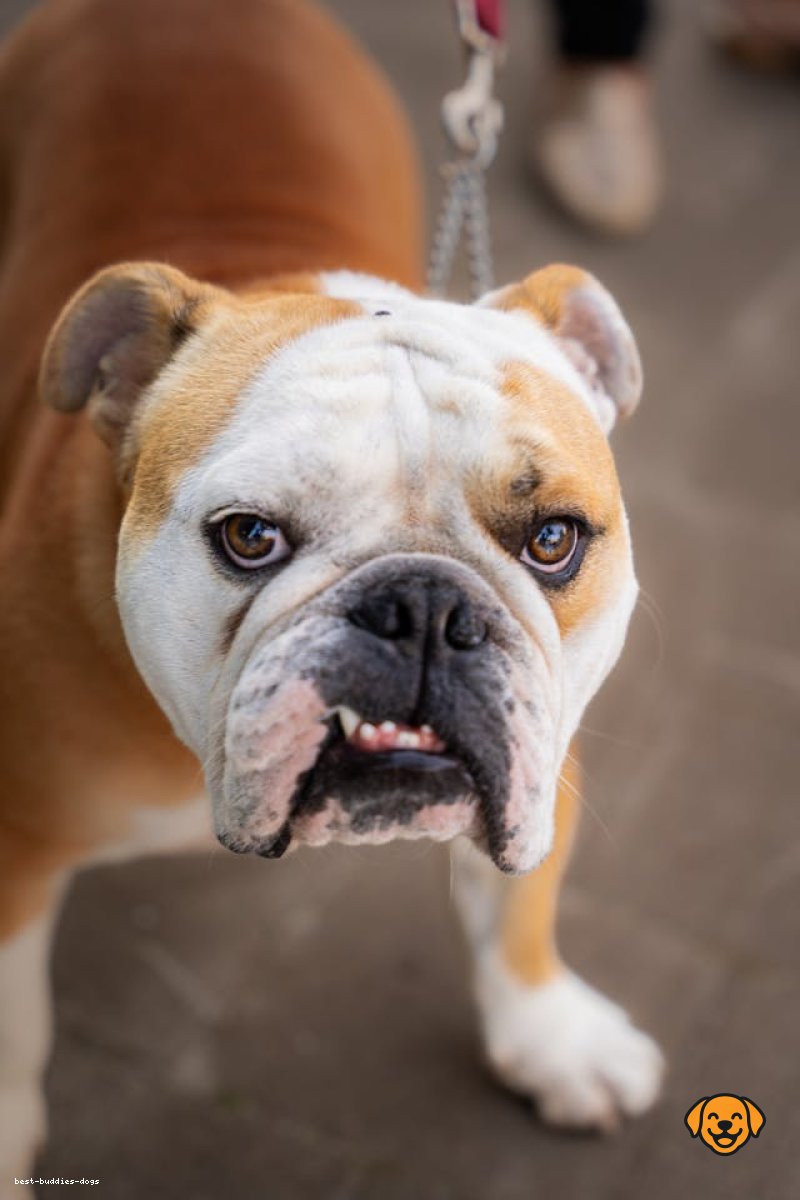
The Bulldog carries a look of seriousness paired with a surprisingly tender soul. With their broad shoulders, wrinkled face, and slow, deliberate movements, they project strength and stability. Once bred for tough work, today’s Bulldog is a symbol of calm companionship and quiet devotion.
Beneath their tough exterior lies a loving and emotionally sensitive companion. Bulldogs form strong bonds with their family and enjoy relaxed togetherness. Their affection shows through closeness — lying at your feet, leaning gently against you, or resting nearby with contented sighs.
They are not energetic thrill-seekers, but they are emotionally rich. When a Bulldog settles beside you, it feels reassuring and peaceful — a reminder that love doesn’t always need speed or noise.
For those who value loyalty, calm energy, and a deeply affectionate presence, the Bulldog becomes more than a pet — they become a comforting constant in everyday life.
Feeding & Diet
Bulldogs need careful nutrition to manage weight and digestion.
Recommended:
-
High-quality, easily digestible food
-
Lean protein sources
-
Controlled portions
Avoid:
-
Overfeeding
-
Table scraps
-
Foods that cause gas or allergies
Maintaining a healthy weight is essential for breathing and joint health.
Grooming Requirements
Bulldogs have a short coat but need special skin care.
-
Brush once a week
-
Clean facial wrinkles regularly
-
Occasional bathing
-
Nail trimming, ear cleaning, and dental care
Wrinkle care is essential to prevent infections.
Exercise Needs
Bulldogs are low-energy dogs.
Daily activity includes:
-
20–40 minutes of light exercise
-
Short walks and gentle play
-
Avoid strenuous activity and heat
They prefer comfort and routine over intense movement.
Common Health Issues
Bulldogs are prone to several breed-specific concerns:
-
Brachycephalic airway syndrome
-
Heat intolerance
-
Hip and elbow dysplasia
-
Skin fold infections
-
Obesity
Regular veterinary care is crucial.
Training Tips
Bulldogs are intelligent but can be stubborn.
Best training approach:
-
Positive reinforcement
-
Patience and consistency
-
Short, calm sessions
-
Gentle leadership
Harsh training reduces trust — encouragement works best.
Is the Bulldog Good with Kids and Other Pets?
-
Very good with children
-
Gentle and tolerant temperament
-
Can live with other pets if socialized early
They thrive in calm, family-oriented homes.
A Bulldog loves quietly but completely. Their bond is gentle, loyal, and deeply reassuring.
If you’re looking for a dog that brings calm companionship, emotional warmth, and steady affection into your life, the Bulldog will stay by your side — slow-moving, big-hearted, and endlessly devoted 🤍🐶
Good With
- experienced owners
- working roles
- active families
Not Recommended
- first-time owners or limited-space apartments
At a Glance
Origin: United Kingdom
Size: Medium
Coat Type: Short
Coat Colors: White, Fawn, Brindle
Health Issues: Hip dysplasia, cancer, hypothyroidism
Photo Gallery