Irish Wolfhound
Quick Facts
Temperament: Gentle, Thoughtful, Dignified
Height: 76 - 86 cm
Weight: 54 - 70 kg
Life Expectancy: 6-8 years
Barking Level: Low
Traits
About
Irish Wolfhounds are gentle, noble, and deeply affectionate. Their love is calm and reassuring — they don’t rush or demand, but their presence feels protective and steady. When an Irish Wolfhound bonds with you, it feels like quiet loyalty wrapped in immense kindness.
Irish Wolfhound — The Gentle Giant with an Ancient Soul
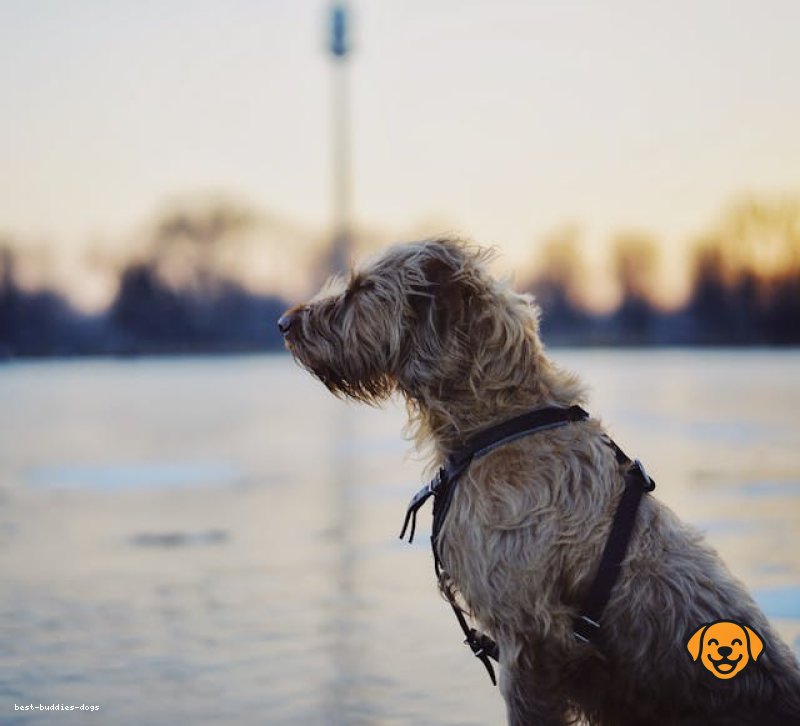
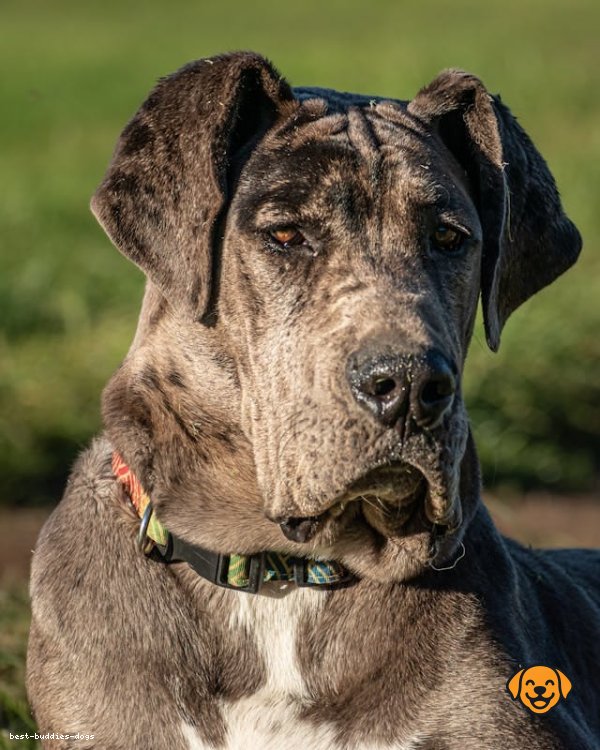
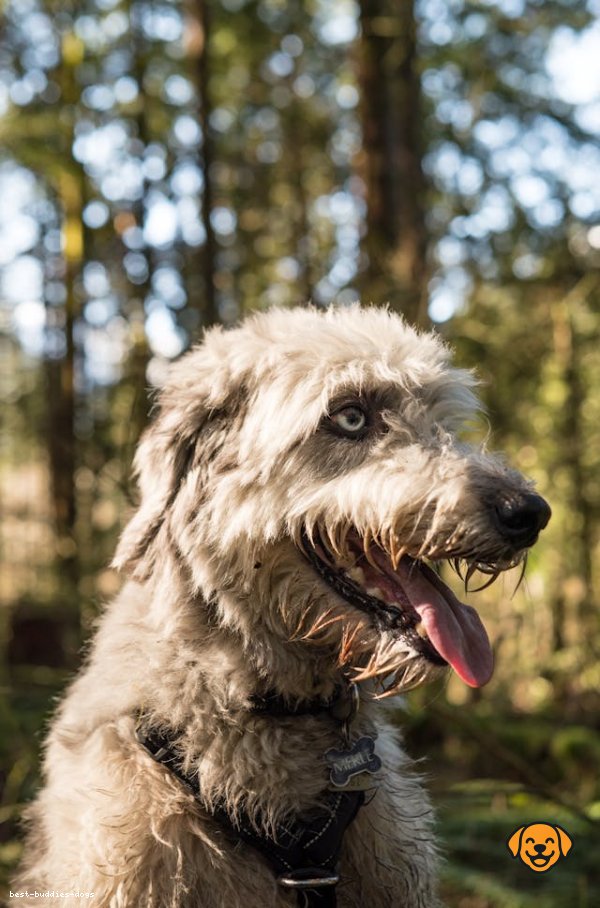
The Irish Wolfhound is one of the tallest dog breeds in the world, carrying a presence that feels both powerful and peaceful. With their long legs, rough coat, and thoughtful eyes, they move with a dignity shaped by centuries of history. Once bred to hunt wolves and guard lands, today they are known for their soft-hearted nature and grace.
Beneath their towering frame lies a remarkably gentle companion. Irish Wolfhounds form strong emotional bonds with their family and are especially known for their patience and kindness. Their affection is subtle — standing close, resting their head gently against you, or quietly watching over loved ones.
They are sensitive and emotionally aware dogs who thrive in calm environments. When an Irish Wolfhound lies beside you, the feeling is deeply comforting — like being protected by something both strong and kind.
For those who admire quiet strength, emotional depth, and ancient heritage, the Irish Wolfhound becomes more than a pet — they become a soulful companion whose presence alone brings peace.
Feeding & Diet
Irish Wolfhounds need carefully balanced nutrition to support their giant size and joints.
Recommended:
-
High-quality protein-rich food
-
Joint-support nutrients (glucosamine, omega fatty acids)
-
Large-breed specific formulas
Avoid:
-
Overfeeding (especially during growth)
-
Low-quality fillers
-
Rapid weight gain
Proper nutrition is critical for bone and heart health.
Grooming Requirements
Their rough coat requires moderate maintenance.
-
Brush 2–3 times per week
-
Occasional hand-stripping or trimming
-
Regular nail trimming
-
Ear cleaning and dental care
Routine grooming keeps their coat healthy and comfortable.
Exercise Needs
Irish Wolfhounds need gentle but regular activity.
Daily activity includes:
-
45–60 minutes of exercise
-
Calm walks and free movement
-
Avoid excessive jumping, especially when young
They enjoy space but not intense workouts.
Common Health Issues
Irish Wolfhounds may be prone to:
-
Dilated cardiomyopathy (DCM)
-
Hip dysplasia
-
Osteosarcoma
-
Bloat (gastric torsion)
Regular veterinary screening is essential for this breed.
Training Tips
Irish Wolfhounds are intelligent and gentle learners.
Best training approach:
-
Calm, patient methods
-
Positive reinforcement
-
Consistent routines
-
Early socialization
Harsh training is unnecessary — kindness works best.
Is the Irish Wolfhound Good with Kids and Other Pets?
-
Excellent with children
-
Very gentle and tolerant
-
Generally friendly with other pets
They thrive in peaceful, spacious homes.
An Irish Wolfhound doesn’t overwhelm with affection — they soothe with presence. Their bond is gentle, loyal, and deeply comforting.
If you’re looking for a dog whose strength is matched only by kindness, the Irish Wolfhound will walk beside you — towering, tender, and timeless
Good With
- families
- cool climates
- large yards
Not Recommended
- hot climates or small apartments
At a Glance
Origin: Ireland
Size: Giant
Coat Type: Wire-haired
Coat Colors: Gray, Brindle, Red
Health Issues: Cancer, hip dysplasia, bloat
Photo Gallery