Siberian Husky
Quick Facts
Temperament: Friendly, Outgoing, Mischievous
Height: 50 - 60 cm
Weight: 16 - 27 kg
Life Expectancy: 12-14 years
Barking Level: Moderate
Traits
About
Siberian Huskies are expressive, social, and emotionally vibrant. Their love is playful and free-spirited — they connect through shared experiences rather than quiet dependence. A Husky doesn’t just live with you; they invite you into their world of movement, curiosity, and joy.
Siberian Husky — The Free Spirit of the Frozen North
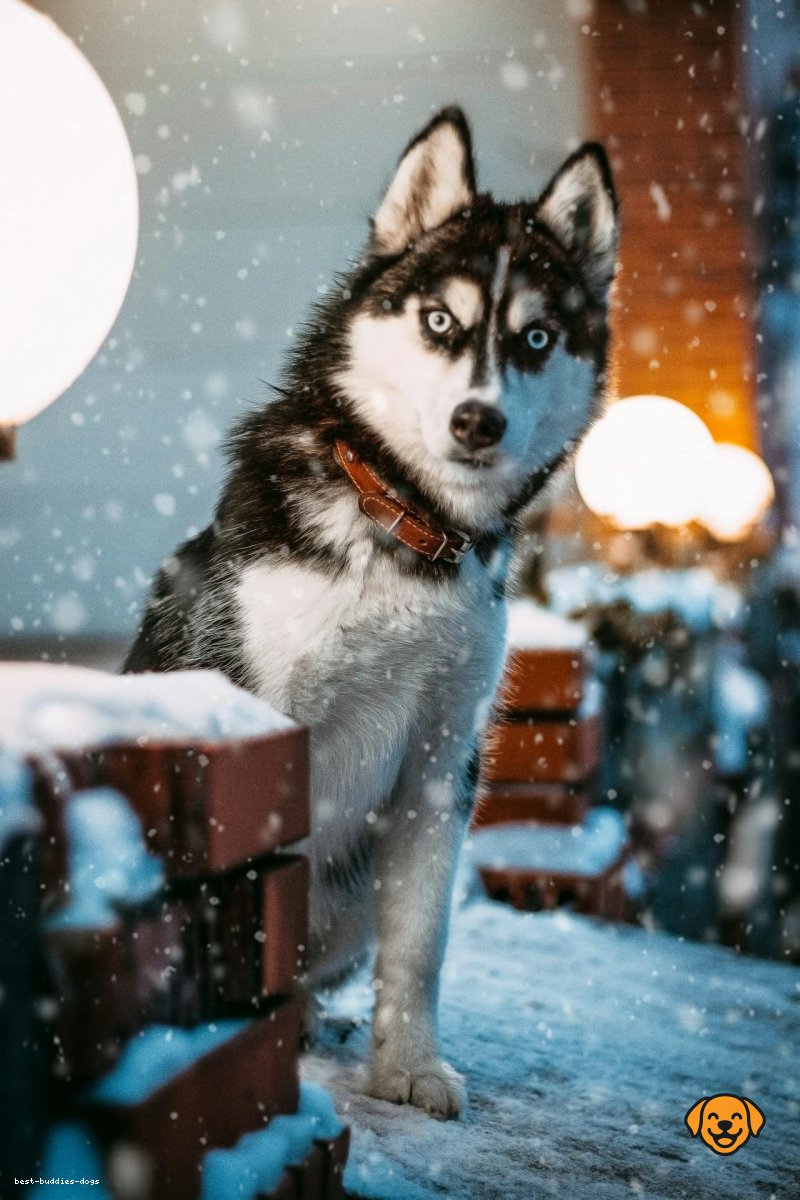
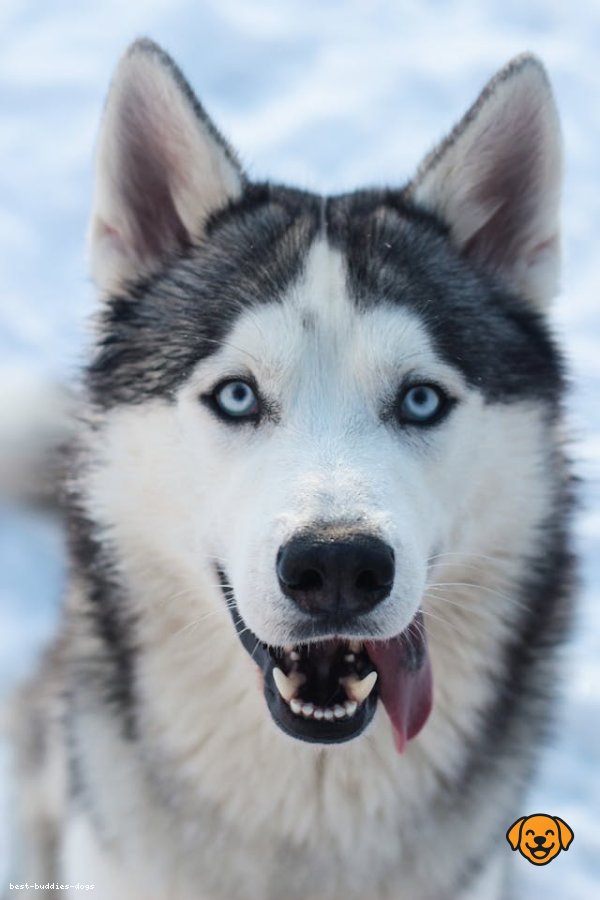
The Siberian Husky carries the rhythm of snow and wind in their stride. With piercing eyes, a wolf-like silhouette, and boundless energy, they radiate adventure and charm. Bred to run long distances with a team, they value companionship, cooperation, and motion.
Beneath their athletic exterior lies a friendly, affectionate nature. Huskies form warm bonds with their family and greet loved ones with enthusiasm and humour. Their affection shows through playful antics, expressive “talking,” and a constant desire to be part of the action.
They are independent thinkers with a mischievous streak, yet deeply social at heart. When a Husky curls up near you after a long day outdoors, the moment feels earned — a shared pause after shared adventure.
For those who love energy, personality, and an outdoorsy bond, the Siberian Husky becomes more than a pet — they become a lively companion who turns everyday life into an expedition.
Feeding & Diet
Siberian Huskies need efficient nutrition that fuels endurance without excess weight.
Recommended:
-
High-quality protein-rich food
-
Moderate healthy fats for sustained energy
-
Balanced portions (they often eat less than expected for their size)
Avoid:
-
Overfeeding
-
Low-quality fillers
-
Sudden diet changes
A lean build supports stamina and joint health.
Check the food calculator
Grooming Requirements
Their thick double coat needs regular upkeep, especially during shedding seasons.
-
Brush 2–3 times per week
-
Daily brushing during heavy shedding (“blowing coat”)
-
Occasional bathing
-
Regular nail trimming, ear cleaning, and dental care
Consistent grooming keeps their coat insulating and healthy.
Exercise Needs
Siberian Huskies are high-energy endurance dogs.
Daily activity includes:
-
90–120 minutes of exercise
-
Running, hiking, or pulling activities
-
Mental stimulation through games and training
They are not suited to sedentary lifestyles.
Common Health Issues
Siberian Huskies are generally healthy but may be prone to:
-
Hip dysplasia
-
Eye conditions (cataracts, PRA)
-
Zinc deficiency (skin issues)
-
Hypothyroidism
Routine veterinary care helps maintain longevity.
Training Tips
Huskies are intelligent but famously independent.
Best training approach:
-
Positive reinforcement
-
Consistency and patience
-
Short, engaging sessions
-
Secure recall training (they love to run!)
Harsh training causes resistance — engagement builds cooperation.
Is the Siberian Husky Good with Kids and Other Pets?
-
Very friendly with children
-
Socialise with other dogs
-
High prey drive — caution with small pets
They thrive in active, social households.
A Siberian Husky doesn’t promise quiet devotion — they promise adventure. Their love is lively, expressive, and full of spirit.
If you’re ready for movement, laughter, and a companion who lives life at full speed, the Siberian Husky will run beside you — joyful, curious, and wonderfully wild ❄️🐺
Good With
- families
- small homes
- active seniors
Not Recommended
- owners seeking low-energy dogs
At a Glance
Origin: Russia
Size: Medium
Coat Type: Thick
Coat Colors: Black & White, Gray & White
Health Issues: Heart disease, hip dysplasia, skin allergies
Photo Gallery