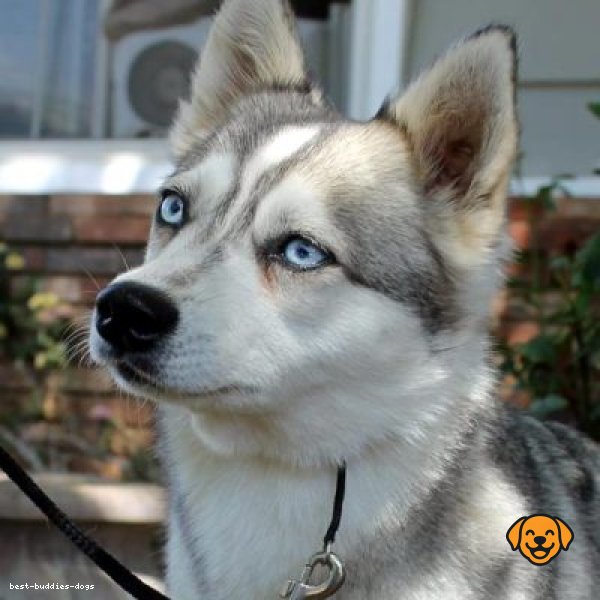
Alaskan Klee Kai
Quick Facts
Temperament: Alert, Active, Curious
Height: 33 - 43 cm
Weight: 6 - 12 kg
Life Expectancy: 12-16 years
Barking Level: High
Traits
About
Alaskan Klee Kai are deeply aware of their people and surroundings. Their love is alert, observant, and sincere. They may not be overly clingy, but they form strong emotional bonds and stay closely tuned to the moods and movements of those they trust.
Alaskan Klee Kai — The Miniature Husky With a Big Heart
The Alaskan Klee Kai may be small in size, but their personality shines brightly. With their expressive eyes and fox-like face, they form deep emotional bonds with the people they trust. Their affection is sweet and sincere, often shown through gentle snuggles and the way they follow their loved ones from room to room.
They bring a spark of joy with their playful nature. Whether they're zooming around the house, tilting their head when you talk to them, or curling beside you after a long day, they add warmth and laughter to everyday life. Their intelligence makes them excellent communicators who always seem to understand your feelings.
What makes the Klee Kai truly special is their sensitivity. They connect strongly with their families, forming bonds rooted in trust and love. They thrive in environments where affection flows freely and attention is given generously.
Living with a Klee Kai means sharing life with a smart, loving soul who brings adventure, emotion, and companionship to every moment.
Feeding & Diet
Alaskan Klee Kai need a balanced diet that fuels their energy and supports coat and joint health.
Recommended:
-
High-quality protein-rich food
-
Omega-3 and Omega-6 fatty acids
-
Controlled portions for weight management
Avoid:
-
Overfeeding
-
Low-quality fillers
-
Sudden diet changes
Maintaining a lean body helps keep them active and healthy.
Check the food calculator
Grooming Requirements
Despite their fluffy appearance, grooming is manageable with routine care.
-
Brush 2–3 times per week
-
Heavy shedding during seasonal coat changes
-
Occasional bathing
-
Regular nail trimming, ear cleaning, and dental care
Consistency keeps their coat healthy and reduces shedding indoors.
Exercise Needs
Alaskan Klee Kai are energetic and mentally sharp.
Daily activity includes:
-
45–60 minutes of exercise
-
Brisk walks, playtime, or agility games
-
Mental stimulation through training and puzzles
They enjoy activity but don’t require extreme endurance workouts.
Common Health Issues
Alaskan Klee Kai are generally healthy but may be prone to:
-
Patellar luxation
-
Thyroid issues
-
Heart murmurs
-
Dental problems
Routine health checks help catch issues early.
Training Tips
Alaskan Klee Kai are intelligent but can be strong-willed.
Best training approach:
-
Positive reinforcement
-
Short, engaging sessions
-
Consistency and patience
-
Early socialization
Harsh methods lead to distrust — gentle leadership builds cooperation.
Is the Alaskan Klee Kai Good with Kids and Other Pets?
-
Best with respectful, older children
-
Can live with other dogs if socialised early
-
May chase small animals due to prey drive
They thrive in calm, structured homes with clear boundaries.
An Alaskan Klee Kai doesn’t give blind loyalty — they give thoughtful devotion. Their love is observant, protective, and deeply personal.
If you admire intelligence, alertness, and a bond built on mutual respect, the Alaskan Klee Kai will stand beside you — watchful, loyal, and beautifully aware 🐺✨
Good With
- active families
- hunters
- homes with secure outdoor space
Not Recommended
- small apartments without sufficient outdoor activity
- owners who dislike vocal dogs
At a Glance
Origin: United States
Size: Small
Coat Type: Double coat
Coat Colors: Black & White, Gray & White
Health Issues: Ear infections (pendulous ears), obesity if inactive