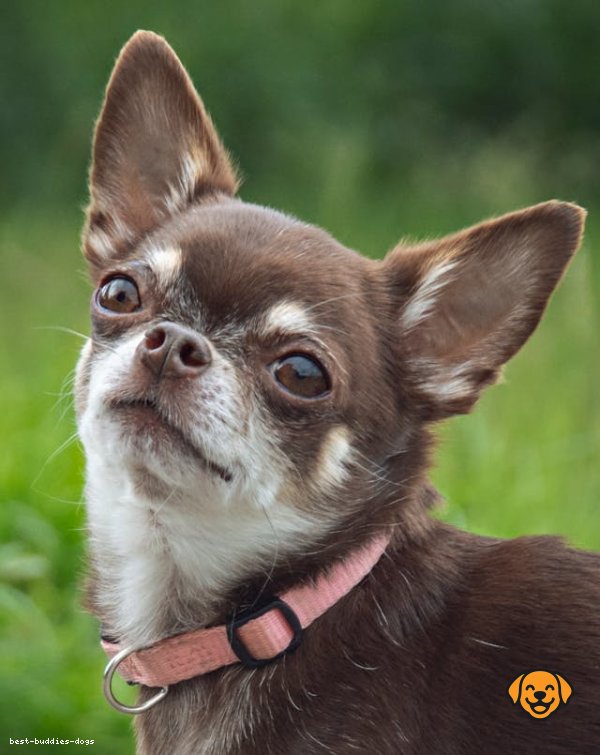
Cavalier King Charles Spaniel
Quick Facts
Temperament: Affectionate, Gentle, Graceful
Height: 30 - 33 cm
Weight: 5.5 - 8 kg
Life Expectancy: 9-14 years
Barking Level: Moderate
Traits
About
Cavalier King Charles Spaniels are gentle, affectionate, and emotionally open. Their love is soft and constant — they thrive on closeness and companionship. A Cavalier doesn’t just stay nearby; they seek connection, offering warmth, comfort, and unwavering affection.
Cavalier King Charles Spaniel — The Tender Heart Wrapped in Grace
The Cavalier King Charles Spaniel carries elegance with an irresistibly kind soul. With their large expressive eyes, silky ears, and gentle movements, they radiate sweetness and calm. Bred to be companions, they excel at one thing above all else — loving their people wholeheartedly.
Beneath their refined appearance lies a deeply devoted companion. Cavaliers bond easily and warmly with everyone in the household. Their affection shows through closeness — curling up beside you, resting their head on your chest, and following you quietly from room to room.
They are emotionally intuitive dogs who seem to sense when comfort is needed. When a Cavalier settles into your lap or leans softly against you, the moment feels soothing and sincere — like unconditional love given freely.
For those who value gentleness, emotional warmth, and a dog that fits seamlessly into family life, the Cavalier King Charles Spaniel becomes more than a pet — they become a source of calm joy and constant companionship.
Feeding & Diet
Cavaliers need balanced nutrition to support heart health and maintain a healthy weight.
Recommended:
-
High-quality, easily digestible food
-
Lean protein sources
-
Omega fatty acids for coat and heart health
Avoid:
-
Overfeeding
-
Low-quality fillers
-
Excessive treats
Maintaining proper weight helps reduce strain on the heart and joints.
Grooming Requirements
Their silky coat requires regular but manageable care.
-
Brush 2–3 times per week
-
Occasional bathing
-
Regular ear cleaning (important due to long ears)
-
Nail trimming and dental care
Routine grooming keeps their coat soft and tangle-free.
Exercise Needs
Cavaliers enjoy moderate activity balanced with relaxation.
Daily activity includes:
-
30–45 minutes of exercise
-
Gentle walks and playtime
-
Mental stimulation through interaction
They adapt well to both active and relaxed lifestyles.
Common Health Issues
Cavalier King Charles Spaniels may be prone to:
-
Mitral valve heart disease
-
Syringomyelia
-
Ear infections
-
Patellar luxation
-
Eye conditions
Regular veterinary checkups are especially important for this breed.
Training Tips
Cavaliers are intelligent, gentle, and eager to please.
Best training approach:
-
Positive reinforcement
-
Soft, encouraging tone
-
Consistency and patience
-
Early socialization
They respond best to kindness rather than correction.
Is the Cavalier King Charles Spaniel Good with Kids and Other Pets?
-
Excellent with children
-
Extremely friendly with other pets
-
Thrives in social, loving homes
They are one of the best family companion breeds.
A Cavalier King Charles Spaniel loves without reservation. Their bond is gentle, comforting, and deeply sincere.
If you’re looking for a dog that brings calm affection, emotional warmth, and quiet joy into your life, the Cavalier King Charles Spaniel will stay close — soft-eyed, loving, and forever devoted
Good With
- active families
- agility homes
- outdoor lifestyles
Not Recommended
- owners without time for intense exercise
At a Glance
Origin: United Kingdom
Size: Small
Coat Type: Long
Coat Colors: Blenheim, Tri-color, Ruby
Health Issues: Patellar luxation, deafness, eye disorders
Photo Gallery