Alaskan Malamute
Quick Facts
Temperament: Affectionate, Loyal, Playful
Height: 58 - 64 cm
Weight: 34 - 43 kg
Life Expectancy: 10-14 years
Barking Level: Moderate
Traits
About
Alaskan Malamutes are emotionally deep, loyal, and quietly affectionate. Their love is powerful yet calm — they don’t smother you with attention, but their presence feels solid and reassuring. When a Malamute chooses to lie beside you, it feels like companionship built on trust rather than dependence.
Alaskan Malamute — The Gentle Giant of the Arctic
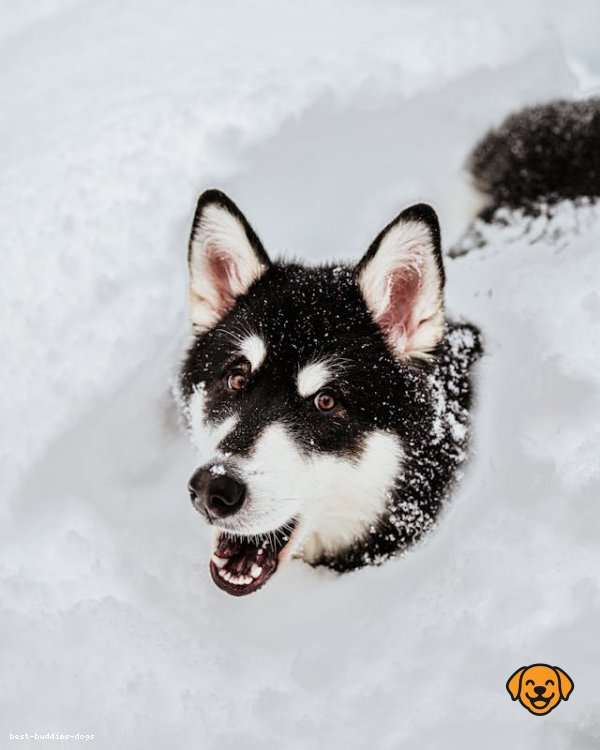
The Alaskan Malamute has strength in its body and softness in its heart. With a history rooted in teamwork and survival, this breed carries a deep connection to people. Their warm eyes and affectionate nature reveal a loving companion who thrives on togetherness and emotional closeness.
Malamutes love being part of family life. They are happiest when included in activities—morning walks, evening cuddles, or playful moments in the yard. Their loyalty is powerful, and the comfort they offer with their presence is genuinely heartwarming.
Beneath their impressive size lies a gentle spirit. They communicate through expressive looks, soft nudges, and leaning their warm body against you when seeking affection. Their joy is contagious, turning every shared moment into something memorable.
With an Alaskan Malamute, you gain a friend who stands by you, comforts you, and fills your life with companionship as deep as the Arctic snow they once walked upon.
Feeding & Diet
Alaskan Malamutes require a diet that supports their large size, muscle mass, and energy needs.
Recommended:
-
High-quality protein-rich food
-
Healthy fats for sustained energy
-
Joint-support supplements (glucosamine, omega fatty acids)
Avoid:
-
Overfeeding (they gain weight easily)
-
Low-quality fillers
-
Excessive treats
Proper portion control is essential to protect joints and overall health.
Check the food calculator
Grooming Requirements
Their thick double coat demands consistent care.
-
Brush 3–4 times per week
-
Daily brushing during heavy shedding seasons
-
Occasional bathing
-
Regular nail trimming, ear cleaning, and dental care
Grooming helps prevent matting and keeps their coat insulating properly.
Exercise Needs
Alaskan Malamutes are strong working dogs built for endurance.
Daily activity includes:
-
60–90 minutes of exercise
-
Long walks, hiking, or pulling activities
-
Mental stimulation through tasks or training
They enjoy purposeful movement more than repetitive play.
Common Health Issues
Alaskan Malamutes are generally robust but may be prone to:
-
Hip dysplasia
-
Elbow dysplasia
-
Hypothyroidism
-
Bloat (gastric torsion)
Routine veterinary care ensures early detection and long-term well-being.
Training Tips
Malamutes are intelligent but independent and strong-willed.
Best training approach:
-
Calm, confident leadership
-
Positive reinforcement
-
Consistent rules and boundaries
-
Early socialization
Harsh correction leads to resistance — respect earns cooperation.
Is the Alaskan Malamute Good with Kids and Other Pets?
-
Excellent with children when raised together
-
Friendly with people but may be dominant with other dogs
-
Not ideal for homes with small pets
They thrive in active families who understand pack dynamics.
An Alaskan Malamute doesn’t rush to please — they choose to stand with you. Their affection is steady, protective, and deeply rooted in connection.
If you’re drawn to strength, loyalty, and a bond that feels timeless, the Alaskan Malamute will walk beside you — powerful, gentle, and unwavering ❄️🐺
Good With
- families
- active seniors
- agility and trick enthusiasts
Not Recommended
- owners who cannot provide grooming or mental stimulation
At a Glance
Origin: United States
Size: Large
Coat Type: Thick double coat
Coat Colors: Gray, Black, Sable
Health Issues: Patellar luxation, progressive retinal atrophy (occasionally), dental issues
Photo Gallery