Akbash
Quick Facts
Temperament: Loyal, Independent, Protective
Height: 69 - 86 cm
Weight: 34 - 64 kg
Life Expectancy: 10-11 years
Barking Level: Moderate
Traits
About
With an Akbash by your side, life feels calmer and more centered. They are not loud about their love; instead, they express it through presence, loyalty, and a heart big enough to hold an entire family safe within it.
Akbash — The Silent Guardian With a Gentle Heart
The Akbash is a beautiful balance of strength and tenderness. Originally bred to guard livestock, they carry a noble presence—quiet, thoughtful, and deeply devoted to the people they love. Their calm nature brings comfort, turning your home into a place of peace and security.
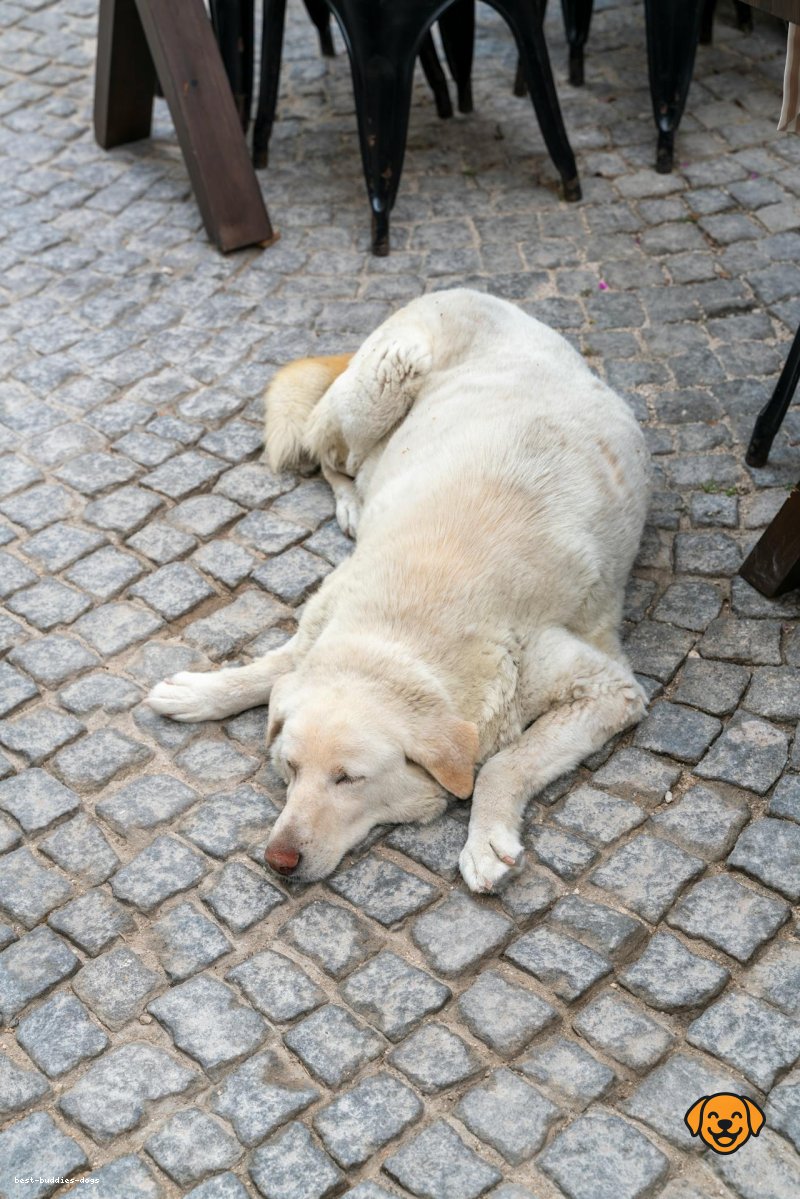
They may appear serious, but their love is soft and genuine. They show affection in gentle ways—resting their head near your feet, walking beside you silently, or watching over you with patient, loving eyes. Their companionship feels grounding and reassuring.
This breed forms powerful bonds with their family. They are protectors by nature, but their loyalty goes beyond guarding—they connect emotionally, offering a sense of safety and unconditional love. Their gentle behavior around those they trust reveals a sweet, nurturing side.
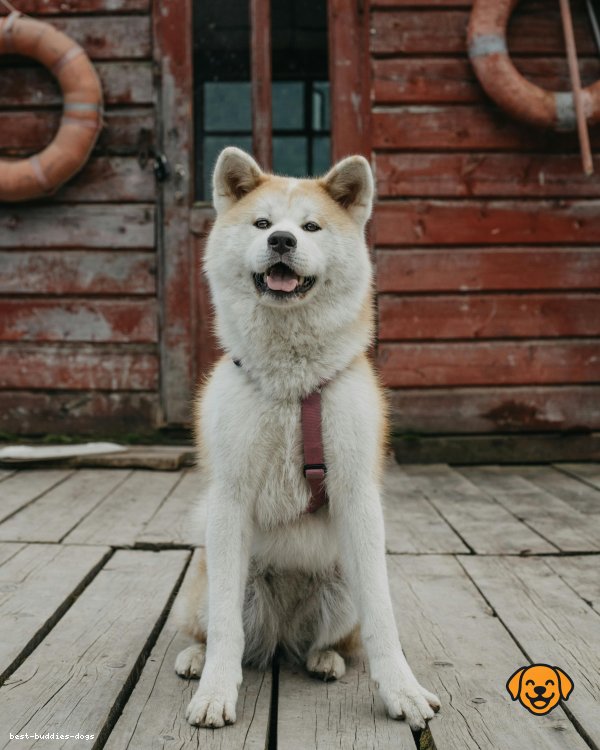
Distinctive features:
-
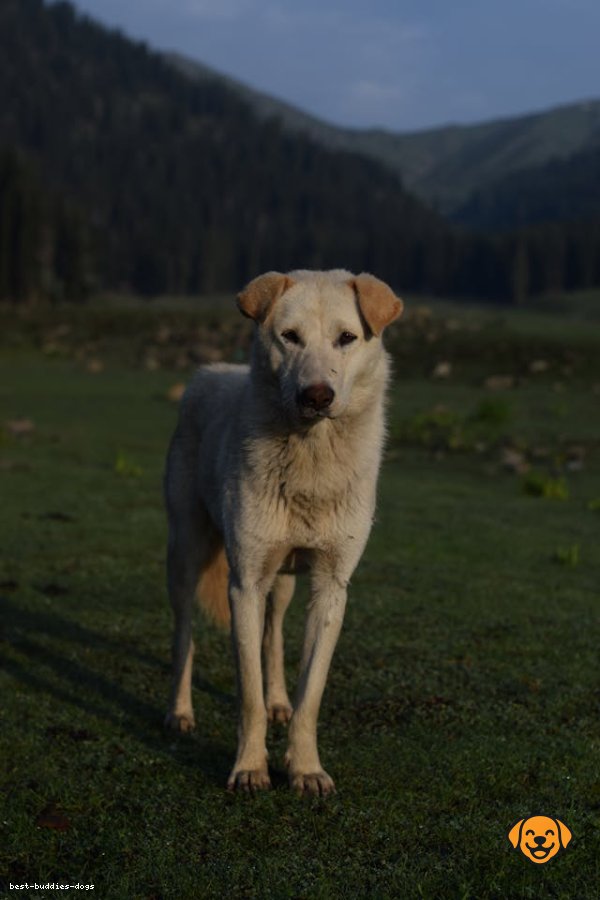
Almond-shaped dark eyes
-
Large triangular ears (often cropped in working lines)
-
Long tail with a slight curl
-
Weather-resistant coat (medium to long)
Akbash Dog Temperament & Personality
Akbash dogs are calm, confident, and highly alert. They are not aggressive by default but are fearless when protecting their family or livestock.
Temperament traits:
-
Extremely loyal to owners
-
Naturally suspicious of strangers
-
Quiet and observant (not excessive barkers)
-
Independent decision-makers
-
Gentle with children in their family
Not ideal for first-time dog owners due to their strong will and independence.
Akbash Dog with Family & Other Pets
-
With Children: Protective and gentle with familiar children
-
With Other Dogs: Can be dominant, especially with same-sex dogs
-
With Livestock: Excellent guardian instincts
-
With Small Pets: Needs early socialization
Early training and exposure are essential to ensure balanced behavior.
Training & Intelligence
The Akbash is highly intelligent but not eager to please. This breed thinks independently and may ignore commands it finds unnecessary.
Training tips:
-
Start training early (8–10 weeks)
-
Use firm, calm leadership
-
Avoid harsh corrections
-
Focus on trust-based training
-
Consistency is key
Exercise & Living Requirements
Akbash dogs are not apartment dogs.
Ideal environment:
-
Large fenced yard or farmland
-
Rural or semi-rural setting
-
Daily moderate exercise
-
Mental stimulation through responsibility
They prefer patrolling territory rather than playing fetch.
Akbash Dog Health Issues
Generally a healthy breed, but like all large dogs, Akbash can be prone to:
-
Bloat (Gastric Torsion)
-
Obesity (if under-exercised)
Regular vet checkups and controlled diet are essential.
Diet & Nutrition
A high-quality diet suited for large breeds is recommended.
Feeding tips:
-
Protein-rich food
-
Joint supplements (glucosamine)
-
Avoid overfeeding
-
Split meals into 2 portions daily
Akbash Dog Grooming Needs
-
Brushing: 1–2 times per week
- Heavy seasonal shedding
-
Bathing: Only when necessary
-
Nail trimming & ear cleaning regularly
Low grooming effort compared to coat size.
Is Akbash Dog Right for You?
- Best for experienced owners
- Ideal for farms & large properties
- Excellent livestock guardian
- Not suitable for apartments
- Not ideal for city life
Good With
- experienced owners
- households that can provide firm leadership and early socialization
Not Recommended
- first-time dog owners
- crowded apartment living without training or socialization
At a Glance
Origin: Turkey
Size: Large
Coat Type: Short to Medium
Coat Colors: White
Health Issues: Hip dysplasia, hypothyroidism, progressive retinal atrophy (occasionally)
Photo Gallery