Dog Vaccination Schedule
Why Dog Vaccination Is Extremely Important
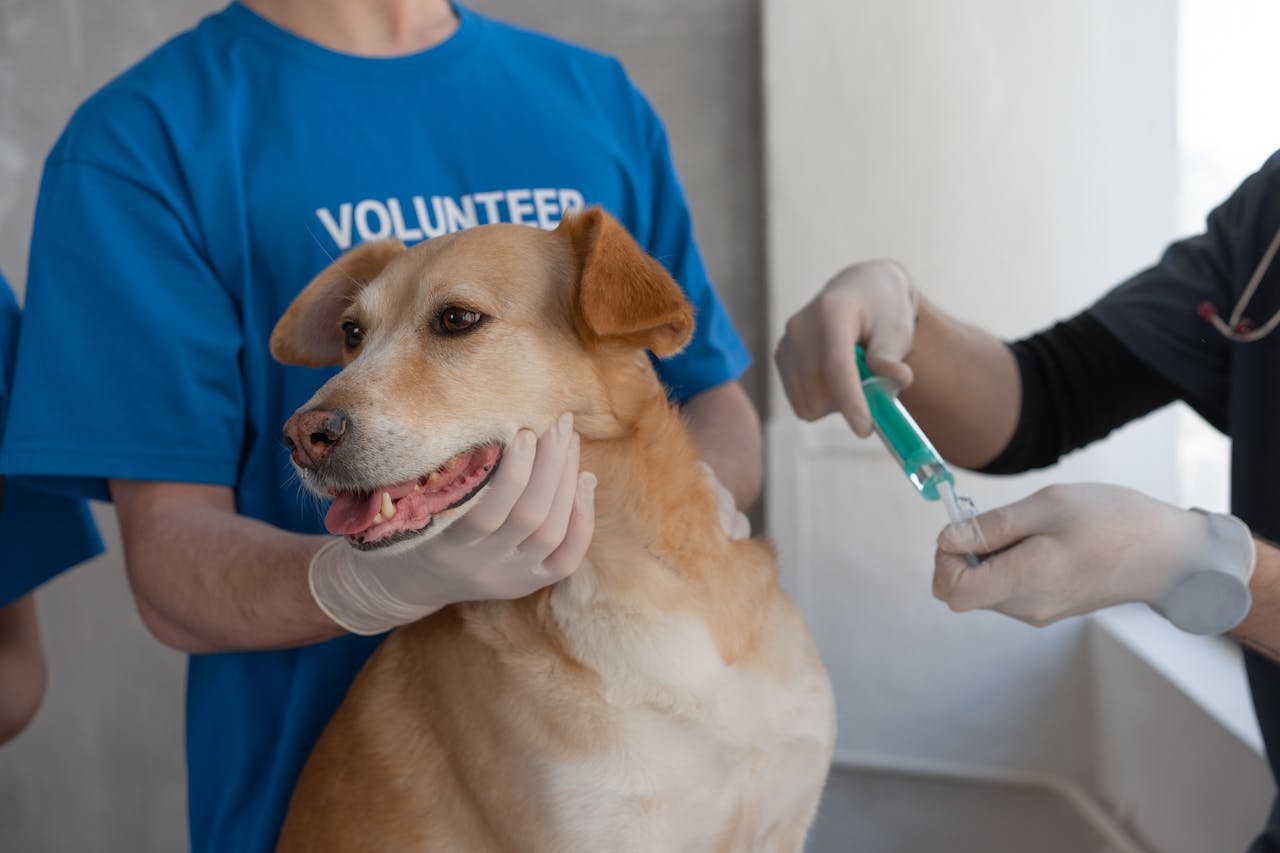
Dog vaccination is one of the most critical responsibilities of every dog owner. Vaccines protect dogs from life-threatening infectious diseases that can spread quickly and cause severe illness or death. Many of these diseases have no cure, making prevention through vaccination the safest and most effective solution. A proper dog vaccination schedule not only protects your pet but also helps prevent the spread of diseases to other animals and, in some cases, humans.
Puppies are especially vulnerable because their immune systems are not fully developed. While they receive some temporary immunity from their mother’s milk, this protection fades within a few weeks. Vaccinations step in at the right time to build long-lasting immunity and prepare the puppy’s body to fight dangerous viruses and bacteria. Missing or delaying vaccines during this critical period can expose dogs to serious health risks.
Vaccination is also a legal and social responsibility in many regions. Certain vaccines, such as rabies, are mandatory in many countries due to public health concerns. Keeping your dog vaccinated ensures compliance with local laws, allows safe interaction with other dogs, and supports a healthier community overall.
How Dog Vaccines Work in the Body
Understanding how dog vaccines work helps owners appreciate why schedules and booster doses matter so much. Vaccines contain weakened, killed, or modified forms of disease-causing organisms. These do not cause illness but instead train the dog’s immune system to recognise and fight the real disease if exposed in the future.
When a vaccine is administered, the immune system responds by producing antibodies. These antibodies remain in the body, acting as a defence system ready to attack if the dog encounters the actual virus or bacteria. Over time, however, antibody levels can decrease, which is why booster vaccinations are necessary to maintain protection.
Different vaccines protect against different diseases, and not all vaccines last for the same duration. Some require yearly boosters, while others last for several years. Following a veterinarian-approved vaccination schedule ensures that your dog maintains continuous immunity without unnecessary or excessive vaccination.
Core and Non-Core Dog Vaccines Explained
Dog vaccines are generally divided into core and non-core vaccines. Core vaccines are essential for all dogs, regardless of breed, lifestyle, or location, because they protect against widespread and highly dangerous diseases. Non-core vaccines are optional and are recommended based on a dog’s environment, lifestyle, and exposure risk.
Core vaccines typically protect against diseases such as canine distemper, parvovirus, adenovirus, and rabies. These diseases are highly contagious and often fatal, especially in puppies. Core vaccines form the foundation of every dog vaccination schedule and should never be skipped.
Non-core vaccines protect against diseases like kennel cough, leptospirosis, canine influenza, and Lyme disease. Dogs that frequently visit boarding facilities, parks, grooming salons, or live in certain geographic areas may benefit greatly from these vaccines. A veterinarian helps determine which non-core vaccines are necessary based on individual risk.
Puppy Vaccination Schedule (Birth to 16 Weeks)
The puppy vaccination schedule is the most crucial phase of a dog’s life. Puppies usually begin vaccinations at around 6 to 8 weeks of age. At this stage, maternal antibodies begin to decline, and puppies need active immunity to stay protected.
Vaccines are typically given in a series, with doses repeated every 3 to 4 weeks until the puppy reaches around 16 weeks of age. This repeated schedule ensures that immunity develops properly, even if maternal antibodies interfere with early doses. Skipping doses or delaying vaccines can leave dangerous immunity gaps.
A typical puppy schedule includes multiple doses of core vaccines, followed by the rabies vaccine at the appropriate age. Veterinarians may adjust the schedule depending on the puppy’s health, breed, and regional disease risks. Completing the full puppy vaccination schedule is essential for long-term health and disease prevention.
Adult Dog Vaccination Schedule and Booster Shots
Once a dog completes its puppy vaccination series, adult vaccinations focus on maintaining immunity through booster doses. Many owners mistakenly believe that vaccines are only needed during puppyhood, but immunity weakens over time without boosters.
Adult dogs usually receive booster vaccinations at one year of age, followed by boosters every one to three years, depending on the vaccine type. Core vaccines often last longer, while some non-core vaccines require annual renewal. Your veterinarian will design a booster schedule that balances protection with safety.
Regular booster vaccinations are especially important for dogs that interact with other animals or travel frequently. Keeping accurate vaccination records helps ensure your dog never misses an important booster and remains fully protected throughout life.
Vaccination Schedule for Senior Dogs
Senior dogs also need vaccinations, though their schedules may be adjusted based on age, health condition, and lifestyle. As dogs age, their immune systems may weaken, making them more susceptible to infections. At the same time, senior dogs may have health conditions that require careful vaccination planning.
Veterinarians often recommend continued core vaccines for senior dogs, but may space out boosters or avoid unnecessary non-core vaccines. Health screenings before vaccination help ensure that vaccines are safe and beneficial for older dogs.
Skipping vaccinations in senior dogs can be risky, especially if they interact with other animals. With proper veterinary guidance, senior dogs can remain protected while minimising stress on their bodies.
Possible Side Effects and Safety of Dog Vaccines
Dog vaccines are generally very safe, and serious side effects are rare. Most dogs experience no reaction at all, while some may have mild, temporary effects such as a slight fever, tiredness, or swelling at the injection site. These symptoms usually resolve within a day or two.
In rare cases, dogs may experience allergic reactions such as vomiting, facial swelling, or difficulty breathing. These reactions usually occur within a few hours of vaccination and require immediate veterinary attention. Monitoring your dog after vaccination helps catch any unusual reactions early.
The benefits of vaccination far outweigh the risks. Millions of dogs are safely vaccinated every year, and vaccines have dramatically reduced the spread of deadly canine diseases worldwide.
Common Myths About Dog Vaccination
There are many myths surrounding dog vaccinations that cause confusion and fear among pet owners. One common myth is that indoor dogs do not need vaccines. In reality, many viruses can be carried on shoes, clothing, or through brief outdoor exposure.
Another myth is that vaccines overload a dog’s immune system. Scientific research shows that dogs are exposed to far more immune challenges daily than vaccines provide. Modern vaccines are carefully formulated to be safe and effective.
Some owners also believe that natural immunity is better than vaccination. While surviving an infection may create immunity, the risk of severe illness or death is extremely high. Vaccination provides protection without exposing dogs to unnecessary danger.
How to Create the Right Vaccination Plan for Your Dog
Every dog is unique, and the best vaccination schedule depends on factors such as age, breed, lifestyle, location, and health status. Working closely with a veterinarian ensures your dog receives the right vaccines at the right time.
Dogs that frequently socialise, travel, or stay in boarding facilities may require additional vaccines. Dogs with limited exposure may need fewer non-core vaccines. A customised vaccination plan balances protection with individual needs.
Keeping vaccination records, setting reminders for boosters, and attending regular health checkups make vaccination management simple and stress-free for dog owners.
Final Thoughts: Protecting Your Dog for Life
A proper dog vaccination schedule is one of the most powerful tools for ensuring a long, healthy, and happy life for your dog. Vaccines protect against deadly diseases, reduce medical expenses, and give dog owners peace of mind.
From puppyhood to senior years, consistent vaccination builds strong immunity and safeguards both pets and communities. Responsible vaccination is not just about following a schedule—it is about caring deeply for your dog’s future.
By staying informed, working with a trusted veterinarian, and following a complete vaccination plan, you give your dog the best possible start and lifelong protection.