Dogs 101: Complete Guide for First-Time Dog Owners
Starting Your Journey as a Dog Owner
Bringing a dog into your life is an exciting and meaningful decision. For many people, getting their first dog is the beginning of a long and rewarding companionship filled with loyalty, affection, and unforgettable memories. However, becoming a responsible dog owner requires more than simply providing food and shelter. Dogs depend on their owners for physical care, emotional support, training, and a safe environment where they can thrive.
First-time dog owners often underestimate the commitment involved in caring for a dog. Dogs need daily exercise, consistent routines, proper nutrition, and regular veterinary care to stay healthy and happy. Understanding your dog’s needs from the beginning can prevent many common problems such as behavioral issues, health complications, and stress for both the dog and the owner.
This complete beginner’s guide explains everything new dog owners need to know—from choosing the right dog and preparing your home to feeding, training, and building a strong bond with your pet. With the right knowledge and preparation, your journey as a dog owner can be one of the most fulfilling experiences of your life.
Choosing the Right Dog for Your Lifestyle
One of the most important decisions a first-time dog owner will make is choosing the right dog. Different breeds have different personalities, energy levels, grooming requirements, and health needs. A dog that fits well into your lifestyle will be much easier to care for and train.
For example, highly energetic breeds such as Border Collies or Australian Shepherds require significant daily exercise and mental stimulation. These breeds are ideal for active owners who enjoy outdoor activities. On the other hand, smaller companion breeds like Shih Tzus or Cavalier King Charles Spaniels may adapt better to apartment living and quieter households.
When choosing a dog, it is also important to consider factors such as size, temperament, grooming needs, and compatibility with children or other pets. Adoption from shelters and rescue organizations is also a wonderful option for first-time owners, as many dogs in shelters are loving companions waiting for a new home.
Preparing Your Home for a New Dog
Before bringing a dog home, it is important to prepare your living space so that it is safe and comfortable for your new pet. Dogs are naturally curious animals, and they may chew or explore objects that could potentially be dangerous.
Start by removing toxic plants, electrical cords, small choking hazards, and household chemicals from areas accessible to the dog. Creating a designated sleeping and resting area helps your dog feel secure in their new environment. A comfortable bed, food and water bowls, toys, and a crate (if crate training is planned) are essential items.
A calm and structured environment helps dogs adjust more quickly to their new home. Keeping a consistent routine during the first few weeks allows the dog to understand where they belong and what is expected from them.
Understanding Your Dog’s Basic Needs
Dogs rely on their owners to meet several essential needs that support their overall well-being. These include proper nutrition, exercise, mental stimulation, social interaction, and veterinary care.
Exercise is one of the most important daily requirements for dogs. Regular walks, playtime, and interactive games help maintain physical health and prevent boredom. Without enough activity, dogs may develop behavioral problems such as chewing, barking, or digging.
Mental stimulation is equally important. Puzzle toys, training sessions, and interactive games keep a dog’s mind active and engaged. Dogs that receive both physical and mental stimulation are more relaxed, confident, and well-behaved.
Feeding and Nutrition for Dogs
Proper nutrition plays a critical role in a dog’s health, energy levels, and lifespan. First-time dog owners should choose high-quality dog food that provides balanced nutrients, including protein, healthy fats, vitamins, and minerals.
Puppies, adult dogs, and senior dogs have different nutritional needs. Puppies require nutrient-dense diets to support growth and development, while adult dogs need balanced meals to maintain their health. Senior dogs may benefit from specialized diets that support joint health and digestion.
Consistent feeding schedules also help dogs develop healthy eating habits. Avoid feeding dogs excessive table scraps or human food, as this can lead to digestive problems and obesity.
Training Basics for First-Time Dog Owners
Training is one of the most important responsibilities of a dog owner. Proper training not only teaches dogs how to behave but also strengthens the bond between the dog and the owner.
Basic commands such as sit, stay, come, and leave it should be introduced early. Positive reinforcement techniques—such as rewarding good behavior with treats, praise, or toys—are highly effective and encourage dogs to repeat desired actions.
Consistency is key when training a dog. Short daily training sessions help dogs learn more effectively than occasional long sessions. Patience and encouragement help build trust and confidence in the dog.
Socialization and Building Confidence
Socialization is a crucial part of raising a well-adjusted dog. Dogs that are properly socialized from a young age are less likely to develop fear, aggression, or anxiety when encountering new people, animals, or environments.
Introducing your dog gradually to different sights, sounds, and experiences helps them become comfortable in a variety of situations. Visits to parks, interactions with other friendly dogs, and exposure to different environments all contribute to positive social development.
A confident dog is typically happier and easier to manage. Socialization not only improves behavior but also enhances the dog’s ability to adapt to new experiences throughout life.
Grooming and Hygiene
Regular grooming is essential for maintaining a dog’s health and comfort. Grooming needs vary depending on the breed, coat type, and lifestyle of the dog.
Brushing your dog’s coat removes loose hair, prevents matting, and helps maintain healthy skin. Long-haired breeds often require more frequent grooming, while short-haired breeds may need less maintenance.
Other important grooming tasks include nail trimming, ear cleaning, dental care, and occasional bathing. Good hygiene practices help prevent infections and keep your dog looking and feeling their best.
Health Care and Veterinary Visits
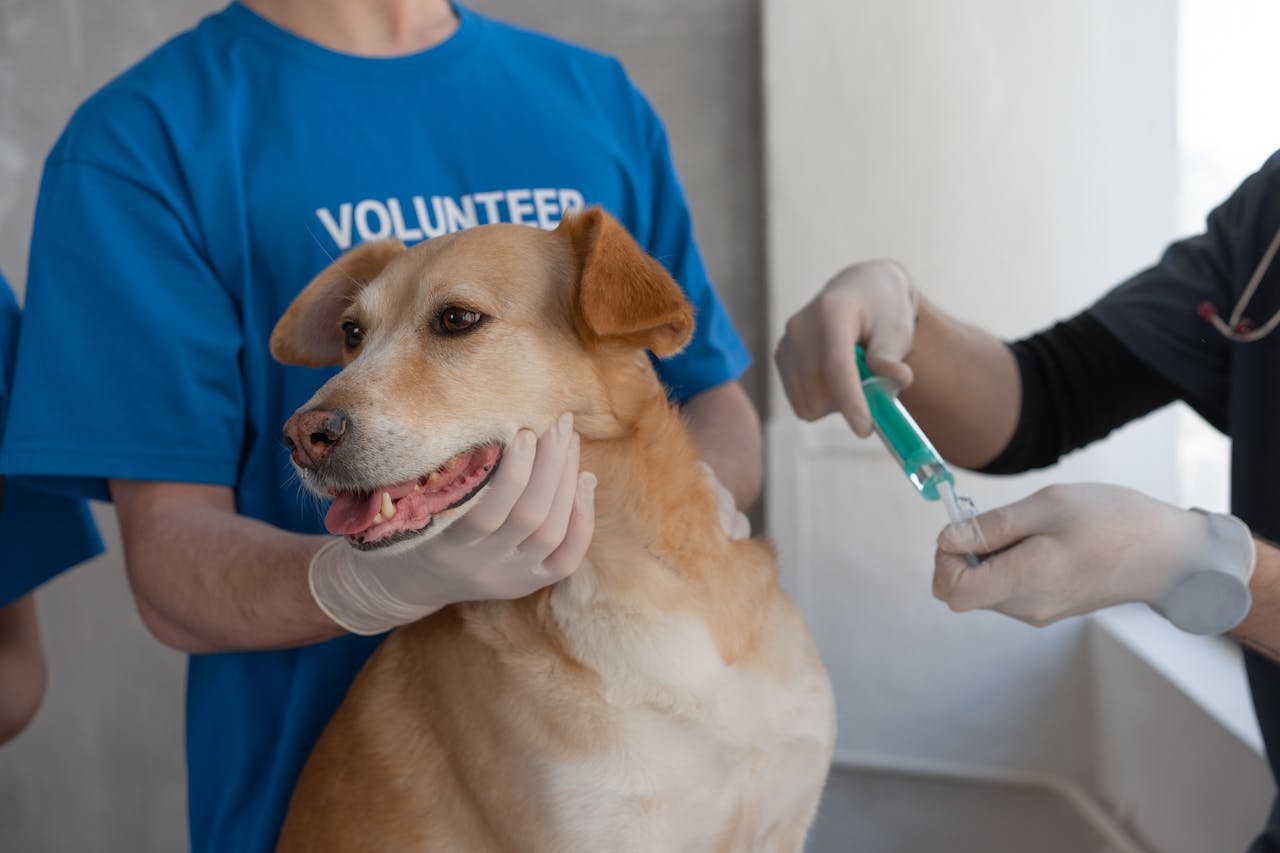
Routine veterinary care is essential for maintaining your dog’s health. Regular checkups allow veterinarians to detect potential health issues early and provide preventive treatments such as vaccinations, parasite control, and dental care.
Vaccination schedules help protect dogs from serious infectious diseases. Preventive treatments for fleas, ticks, and worms are also important for protecting both the dog and the household.
Monitoring your dog’s behavior and physical condition can also help identify health problems early. Changes in appetite, energy levels, or behavior should always be discussed with a veterinarian.
Understanding Dog Behavior
Dogs communicate through body language, vocalizations, and behavior. Learning to interpret these signals helps owners understand their dog’s needs and emotions.
For example, a wagging tail does not always mean happiness. The position and speed of the wag can indicate excitement, anxiety, or curiosity. Similarly, behaviors such as yawning, lip licking, or avoiding eye contact may indicate stress or discomfort.
Understanding these signals allows owners to respond appropriately and create a more positive and trusting relationship with their dog.
Creating a Strong Bond with Your Dog
A strong bond between a dog and its owner is built through time, patience, and consistent care. Dogs thrive on companionship and enjoy spending time with their owners through walks, play, and shared activities.
Positive interactions help build trust and emotional connection. Dogs that feel secure with their owners are more confident, obedient, and emotionally balanced.
Simple daily routines such as walks, playtime, and training sessions strengthen the relationship and create lasting memories for both the dog and the owner.
Final Thoughts for First-Time Dog Owners
Owning a dog is a long-term commitment that requires dedication, patience, and responsibility. However, the rewards of dog ownership far outweigh the challenges. Dogs bring companionship, joy, and unconditional love into our lives.
By understanding your dog’s needs and providing proper care, training, and attention, you can ensure that your dog lives a healthy and happy life. First-time dog owners who invest time in learning about dog care will find that the experience becomes one of the most fulfilling relationships they will ever have.
Every dog is unique, and building a strong bond takes time. With patience, consistency, and love, you and your dog will grow together and create a lifelong friendship.