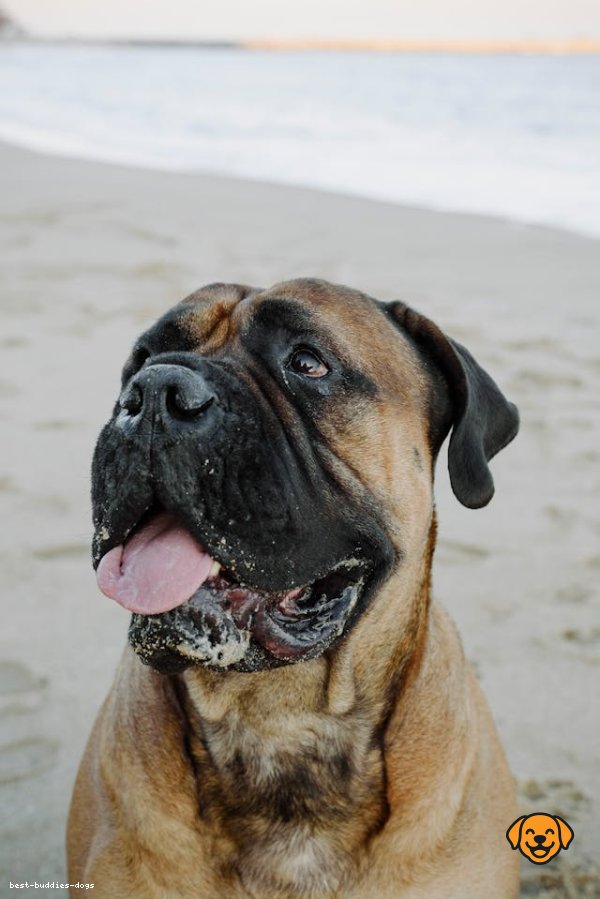
Bullmastiff
Quick Facts
Temperament: Affectionate, Loyal, Brave
Height: 61 - 69 cm
Weight: 45 - 59 kg
Life Expectancy: 7-9 years
Barking Level: Low
Traits
About
Bullmastiffs are calm, confident, and deeply devoted to their people. Their love is quiet and protective — they don’t seek constant attention, but they stay close, always aware. When a Bullmastiff bonds with you, it’s with steady loyalty and an unspoken promise to guard what matters.
Bullmastiff — The Silent Guardian with a Gentle Core
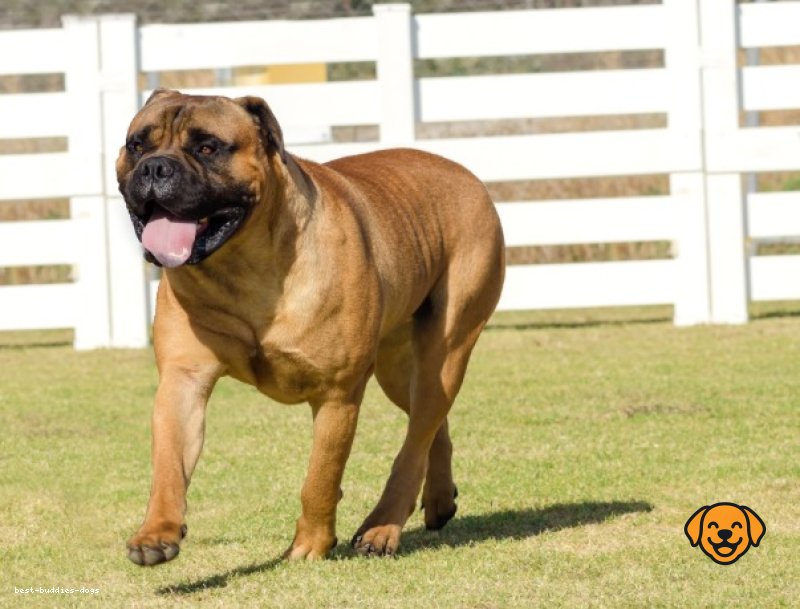
The Bullmastiff carries immense strength with remarkable restraint. Broad-chested, powerful, and composed, they were bred to protect estates by presence alone. Their calm confidence speaks louder than noise; they don’t rush, they assess.
Beneath their formidable exterior lies a surprisingly gentle, affectionate companion. Bullmastiffs form strong bonds with their family and show love through proximity — lying nearby, leaning softly against you, or quietly positioning themselves between you and the outside world.
They are emotionally steady dogs who thrive on routine and trust. When a Bullmastiff settles at your side, the feeling is reassuring — like a calm wall of protection that never asks for praise.
For those who value quiet strength, loyalty, and a dog that protects without aggression, the Bullmastiff becomes more than a pet — they become a steadfast guardian and a deeply devoted family member.
Feeding & Diet
Bullmastiffs need careful nutrition to support joints, heart health, and controlled growth.
Recommended:
-
High-quality protein-rich food
-
Joint-support nutrients (glucosamine, omega fatty acids)
-
Controlled portions to prevent obesity
Avoid:
-
Overfeeding
-
Low-quality fillers
-
Excessive treats
Maintaining a healthy weight is critical for joint longevity.
Grooming Requirements
Their short coat is low-maintenance.
-
Brush once a week
-
Occasional bathing
-
Regular nail trimming
-
Ear cleaning and dental care
Simple grooming suits their calm lifestyle.
Exercise Needs
Bullmastiffs are moderate-energy dogs.
Daily activity includes:
-
45–60 minutes of exercise
-
Calm walks and light play
-
Mental stimulation through obedience
They prefer steady movement over intense workouts.
Common Health Issues
Bullmastiffs may be prone to:
-
Hip and elbow dysplasia
-
Bloat (gastric torsion)
-
Heart conditions
-
Cancer
-
Obesity
Regular veterinary checkups are essential.
Training Tips
Bullmastiffs are intelligent and independent thinkers.
Best training approach:
-
Calm, confident leadership
-
Positive reinforcement
-
Consistent rules and boundaries
-
Early socialization
Harsh training causes resistance — respect builds reliability.
Is the Bullmastiff Good with Kids and Other Pets?
-
Very good with family children when properly trained
-
Naturally protective but gentle
-
Can live with other pets if socialized early
They thrive in calm, structured households.
A Bullmastiff doesn’t bark for attention — they stand for protection. Their love is steady, quiet, and unwavering.
If you’re looking for a dog that guards with dignity and loves with loyalty, the Bullmastiff will remain by your side — calm, powerful, and deeply devoted
Good With
- families
- therapy roles
- obedience and service work
Not Recommended
- owners unable to manage shedding
At a Glance
Origin: United Kingdom
Size: Large
Coat Type: Short
Coat Colors: Fawn, Brindle
Health Issues: Cancer, hip dysplasia, ear infections
Photo Gallery