Dachshund
Quick Facts
Temperament: Playful, Stubborn, Curious
Height: 20 - 20 cm
Weight: 7 - 15 kg
Life Expectancy: 12-16 years
Barking Level: High
Traits
About
Dachshunds are affectionate, brave, and emotionally expressive. Their love is loyal and personal — they form strong attachments and often choose a favorite person to follow with devotion. A Dachshund may be small, but their heart is bold and deeply committed.
Dachshund — The Little Warrior with a Big Personality
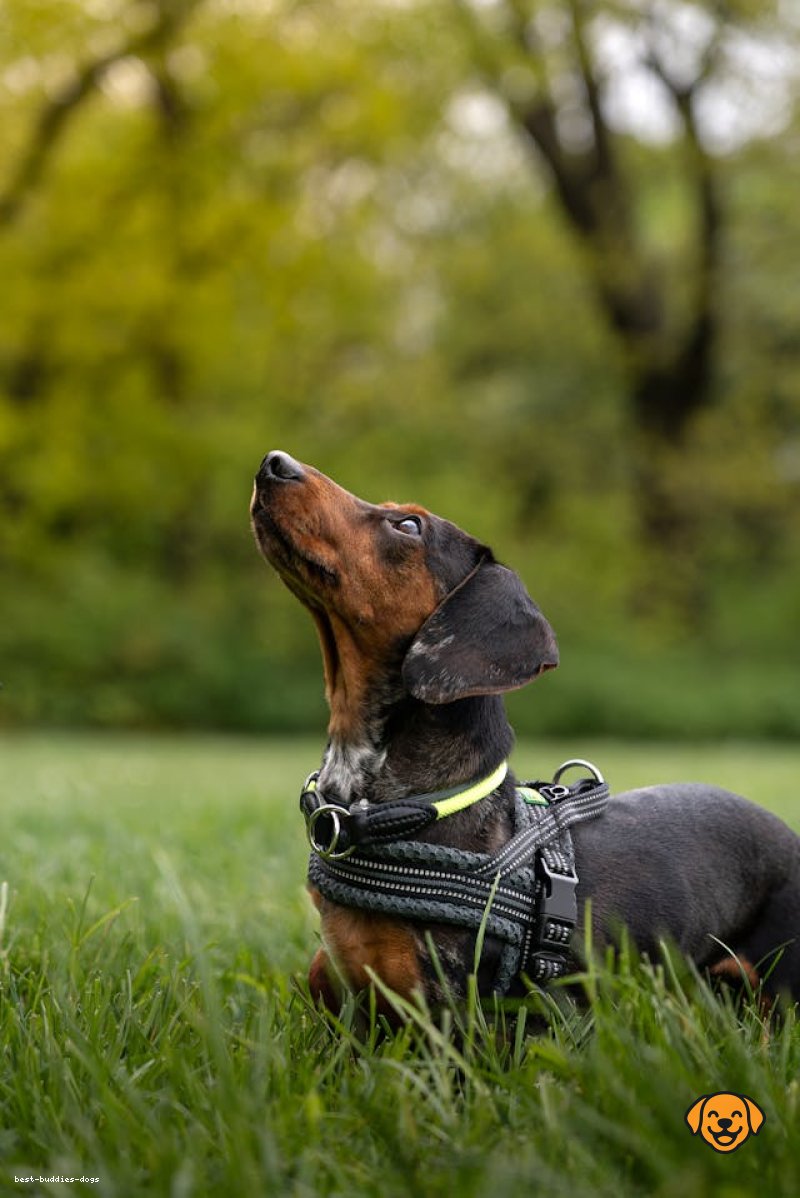
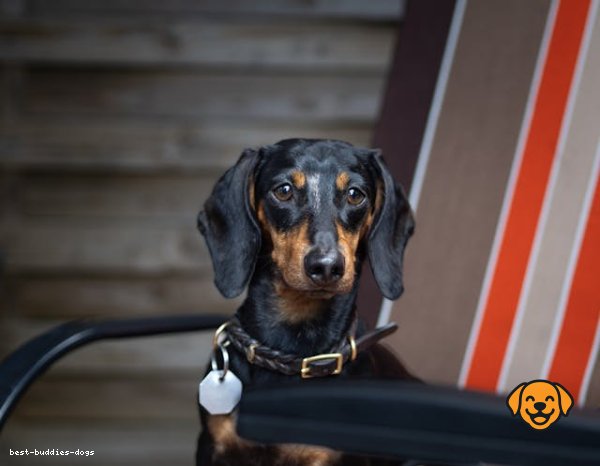
The Dachshund is instantly recognizable with its long body, short legs, and confident stride. Bred to hunt badgers underground, they carry courage and determination far beyond their size. Their alert eyes and expressive face reflect curiosity, intelligence, and a playful spirit.
Beneath their bold personality lies a loving and sensitive companion. Dachshunds thrive on closeness and enjoy being near their people — curling up beside you, resting on your lap, or proudly standing guard despite their small stature. Their affection is warm and constant, often paired with amusing stubbornness.
They are independent thinkers with a strong sense of self, yet deeply loyal to those they trust. When a Dachshund snuggles close or greets you with enthusiastic tail wags, it feels sincere and heartfelt — love given without hesitation.
For those who enjoy character, courage, and close companionship, the Dachshund becomes more than a pet — they become a spirited little soulmate who fills life with warmth and personality.
Feeding & Diet
Dachshunds need careful nutrition to protect their spine and joints.
Recommended:
-
High-quality protein-rich food
-
Controlled portions to prevent weight gain
-
Balanced nutrients for bone and joint health
Avoid:
-
Overfeeding (very prone to obesity)
-
Table scraps
-
Sudden diet changes
Keeping them lean is essential for spinal health.
Grooming Requirements
Grooming varies slightly by coat type (smooth, long-haired, wire-haired).
-
Smooth coat: Brush once a week
-
Long-haired: Brush 2–3 times per week
-
Wire-haired: Occasional trimming
-
Regular nail trimming, ear cleaning, and dental care
Overall grooming needs are low to moderate.
Exercise Needs
Dachshunds are active but should avoid high-impact activity.
Daily activity includes:
-
30–45 minutes of exercise
-
Gentle walks and controlled play
-
Mental stimulation through games
Avoid excessive jumping to protect their spine.
Common Health Issues
Dachshunds are prone to certain breed-specific conditions:
-
Intervertebral Disc Disease (IVDD)
-
Obesity
-
Dental issues
-
Patellar luxation
Preventive care and weight management are crucial.
Training Tips
Dachshunds are intelligent but famously stubborn.
Best training approach:
-
Positive reinforcement
-
Patience and consistency
-
Short, fun sessions
-
Early socialization
Harsh training damages trust — motivation works best.
Is the Dachshund Good with Kids and Other Pets?
-
Best with gentle, respectful children
-
Loyal to family but wary of rough handling
-
Can live with other pets if socialized early
They thrive in loving, attentive homes.
A Dachshund loves with courage and conviction. Their bond is loyal, playful, and deeply personal.
If you’re looking for a dog with a big heart, strong spirit, and endless devotion in a small body, the Dachshund will stay close — brave, loving, and full of character 🐶❤️
Good With
- apartment dwellers
- seniors
- experienced toy-dog owners
Not Recommended
- homes with rough play or very young children
At a Glance
Origin: Germany
Size: Small
Coat Type: Short, Long
Coat Colors: Red, Black & Tan, Chocolate
Health Issues: Luxating patella, dental disease, tracheal collapse
Photo Gallery