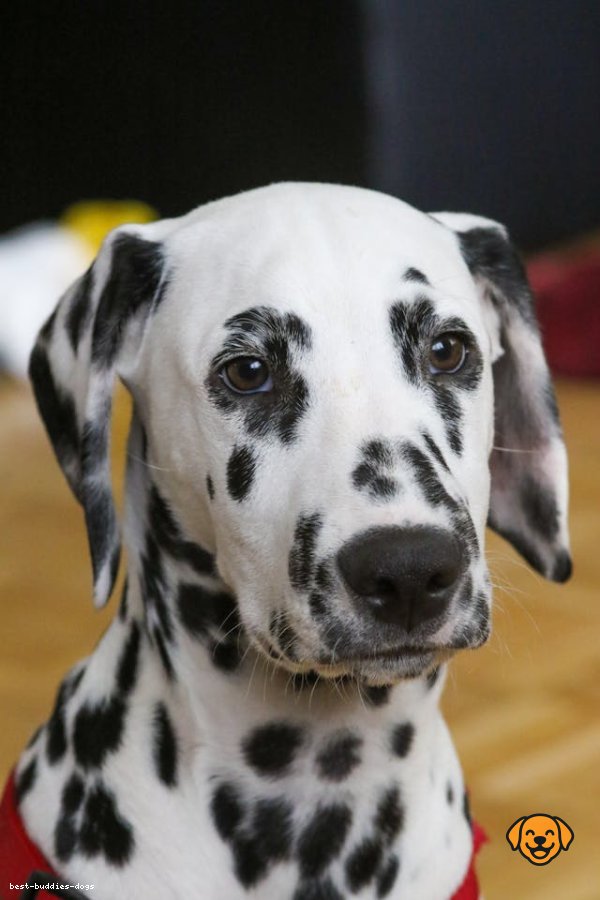
Dalmatian
Quick Facts
Temperament: Dignified, Smart, Outgoing
Height: 48 - 61 cm
Weight: 23 - 32 kg
Life Expectancy: 11-13 years
Barking Level: Moderate
Traits
About
Dalmatians are energetic, affectionate, and emotionally connected to their people. Their love is active and expressive — they thrive on interaction, shared movement, and being included in daily life. A Dalmatian doesn’t just stay by your side; they move with you, matching your rhythm and enthusiasm.
Dalmatian — The Spotted Athlete with a Loyal Heart
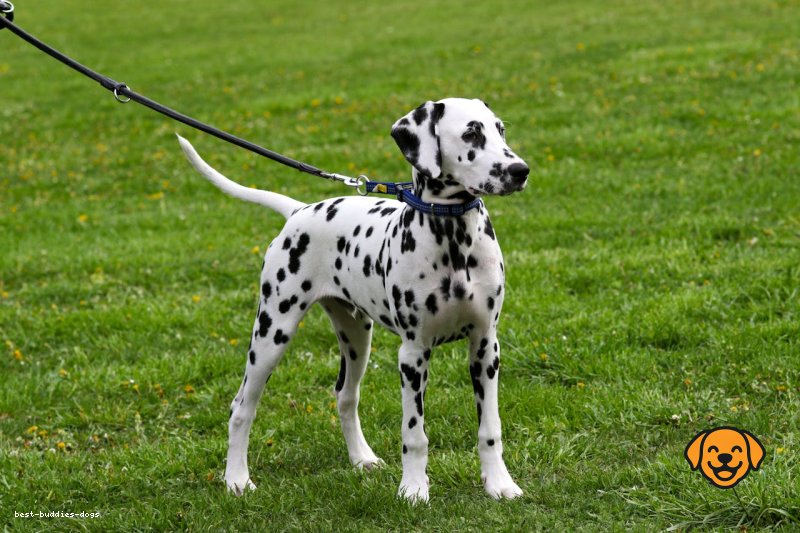
The Dalmatian is instantly recognizable, not just for their striking spots, but for their athletic grace and confident presence. Bred historically to run alongside carriages and guard horses, they carry stamina, alertness, and elegance in equal measure.
Beneath their bold appearance lies a deeply loyal and affectionate companion. Dalmatians form strong bonds with their family and enjoy close involvement — following you around, joining activities, and resting nearby after a long day of movement. Their affection is shown through companionship and enthusiasm rather than quiet stillness.
They are intelligent and emotionally aware dogs who respond strongly to their environment. When a Dalmatian settles beside you after exercise, the moment feels balanced and fulfilling — energy spent, trust reinforced, bond strengthened.
For those who enjoy activity, intelligence, and a dog that thrives on partnership, the Dalmatian becomes more than a pet — they become a spirited companion who brings life, motion, and loyalty into every day.
Feeding & Diet
Dalmatians have unique dietary needs due to their metabolism.
Recommended:
-
High-quality protein with low purine content
-
Plenty of fresh water
-
Balanced fats for energy
Avoid:
-
High-purine foods (organ meats, certain fish)
-
Overfeeding
-
Low-quality fillers
Proper diet helps prevent urinary stone formation.
Grooming Requirements
Their short coat is low-maintenance but sheds year-round.
-
Brush 2–3 times per week
-
Occasional bathing
-
Regular nail trimming
-
Ear cleaning and dental care
Consistent brushing helps manage shedding.
Exercise Needs
Dalmatians are high-energy endurance dogs.
Daily activity includes:
-
90–120 minutes of exercise
-
Running, hiking, or cycling companionship
-
Mental stimulation through training
They are not suited for inactive lifestyles.
Common Health Issues
Dalmatians may be prone to:
-
Deafness (congenital)
-
Urinary stones
-
Hip dysplasia
-
Skin allergies
Regular health screening is especially important for this breed.
Training Tips
Dalmatians are intelligent but can be sensitive.
Best training approach:
-
Positive reinforcement
-
Consistent routines
-
Early socialization
-
Engaging, varied sessions
Harsh correction reduces confidence — encouragement builds cooperation.
Is the Dalmatian Good with Kids and Other Pets?
-
Very playful with children
-
Loyal to family but reserved with strangers
-
Can live with other pets if socialized early
They thrive in active, structured homes.
A Dalmatian loves through movement and presence. Their bond is energetic, loyal, and deeply engaging.
If you’re looking for a dog that runs beside you in both life and spirit, the Dalmatian will be there — spotted, spirited, and steadfast
Good With
- families
- allergy-sensitive homes
- competitive sports
Not Recommended
- owners unwilling to commit to grooming
At a Glance
Origin: Croatia
Size: Large
Coat Type: Short
Coat Colors: White with black/liver spots
Health Issues: Hip dysplasia, Addison's disease, sebaceous adenitis (rare)
Photo Gallery