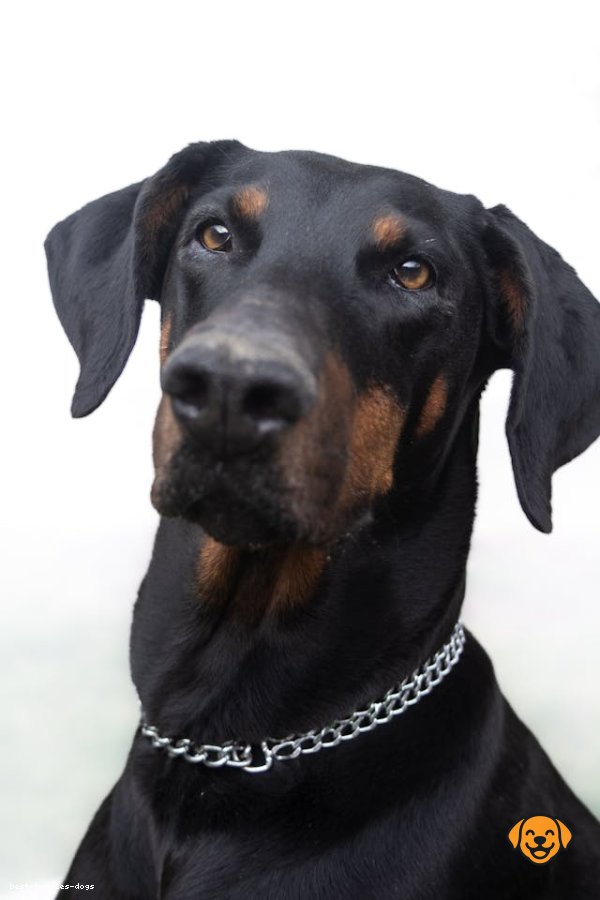
Doberman Pinscher
Quick Facts
Temperament: Loyal, Fearless, Alert
Height: 63 - 72 cm
Weight: 32 - 45 kg
Life Expectancy: 10-12 years
Barking Level: Low
Traits
About
Doberman Pinschers are intensely loyal, emotionally intuitive, and deeply bonded to their people. Their love is close and constant — they don’t just stay nearby, they attach. When a Doberman chooses you, they become your shadow, protector, and confidant all at once.
Doberman Pinscher — The Elegant Guardian with a Devoted Soul
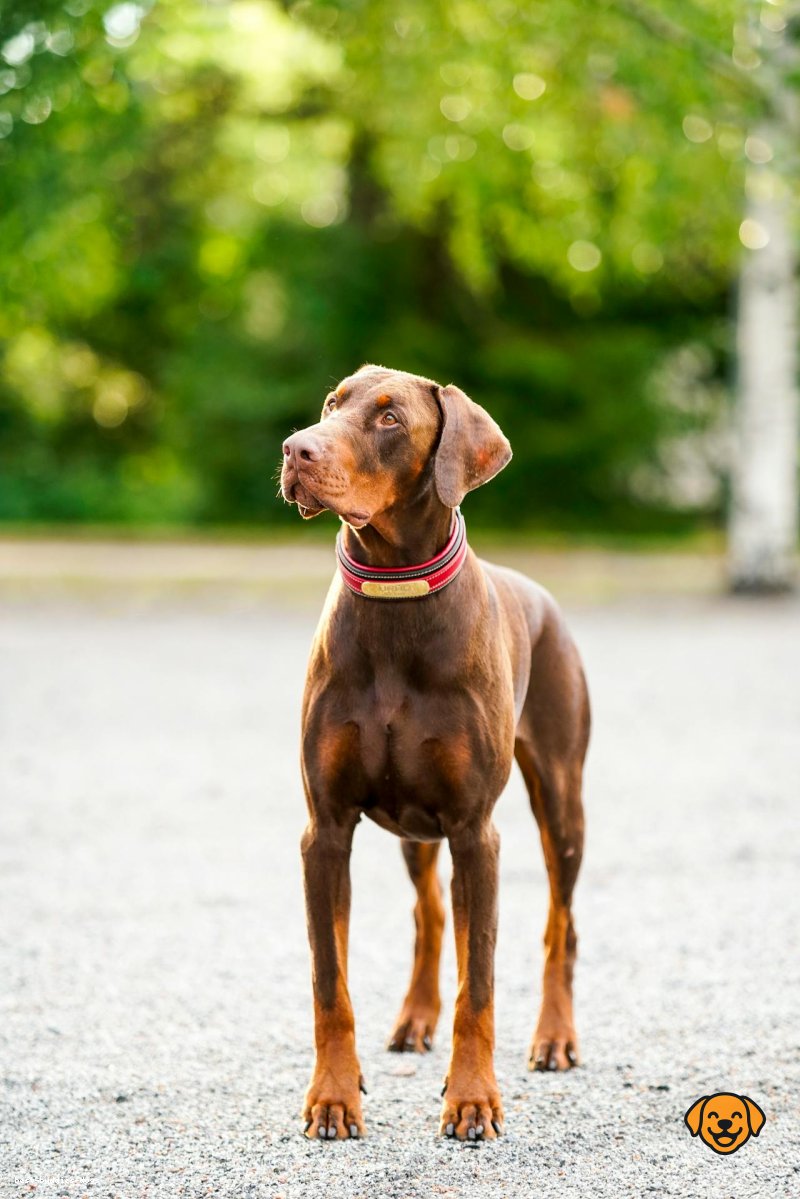
The Doberman Pinscher embodies power refined by intelligence. With a sleek, athletic body, alert posture, and penetrating gaze, they radiate confidence and readiness. Bred to guard closely and think independently, they balance speed, strength, and sharp awareness with remarkable grace.
Behind the formidable exterior lies a sensitive, affectionate heart. Dobermans form profound emotional bonds and crave closeness with their family. They show love through constant presence — following you from room to room, leaning into you, and staying alert to every change in mood or environment.
They are fearless when protection is needed, yet gentle and affectionate at home. When a Doberman rests beside you, it feels like unwavering trust — a calm promise that you are never alone.
For those who value loyalty, intelligence, and a bond that feels unbreakable, the Doberman Pinscher becomes more than a pet — they become a devoted guardian and an emotional anchor.
Feeding & Diet
Doberman Pinschers need a diet that supports lean muscle, heart health, and high activity levels.
Recommended:
-
High-quality protein-rich food
-
Balanced fats for energy
-
Heart-support nutrients (taurine, omega fatty acids)
Avoid:
-
Overfeeding
-
Low-quality fillers
-
Sudden diet changes
Maintaining a lean body is essential for agility and cardiac health.
Grooming Requirements
Their short, sleek coat is very low maintenance.
-
Brush once a week
-
Occasional bathing
-
Regular nail trimming
-
Ear cleaning and dental care
Minimal grooming keeps their coat glossy and skin healthy.
Exercise Needs
Doberman Pinschers are energetic and purpose-driven.
Daily activity includes:
-
90–120 minutes of exercise
-
Fast-paced walks, runs, and structured play
-
Daily obedience or task-based mental work
Without sufficient activity, they can become anxious or restless.
Common Health Issues
Doberman Pinschers are prone to some serious inherited conditions:
-
Dilated cardiomyopathy (DCM)
-
Hip dysplasia
-
Von Willebrand’s disease
-
Wobbler syndrome
Regular health screening is strongly recommended.
Training Tips
Dobermans are highly intelligent and eager to work.
Best training approach:
-
Calm, confident leadership
-
Positive reinforcement
-
Clear rules and structure
-
Early socialization
They excel in advanced obedience and protection work when guided properly.
Is the Doberman Pinscher Good with Kids and Other Pets?
-
Very affectionate with family children
-
Extremely protective of loved ones
-
Can live with other pets if socialised early
They thrive in close-knit, structured households.
A Doberman Pinscher loves with intensity and purpose. Their bond is fierce, emotional, and deeply loyal.
If you want a dog that will guard your heart as fiercely as your home, the Doberman Pinscher will stand beside you — alert, elegant, and unbreakably devoted 🖤🐾
Good With
- experienced owners
- active families
- rural homes
Not Recommended
- urban apartments or inexperienced handlers
At a Glance
Origin: Germany
Size: Large
Coat Type: Short
Coat Colors: Black, Red, Blue
Health Issues: Hip dysplasia, degenerative myelopathy, dermoid sinus (rare)
Photo Gallery