Pomeranian
Quick Facts
Temperament: Lively, Bold, Inquisitive
Height: 18 - 30 cm
Weight: 1.8 - 3.5 kg
Life Expectancy: 12-16 years
Barking Level: High
Traits
About
Pomeranians are lively, affectionate, and full of confidence. Their love is expressive and enthusiastic — they adore attention and thrive on being close to their people. A Pomeranian may be tiny, but their personality fills the room with joy and charm.
Pomeranian — The Fluffy Spark with a Fearless Heart
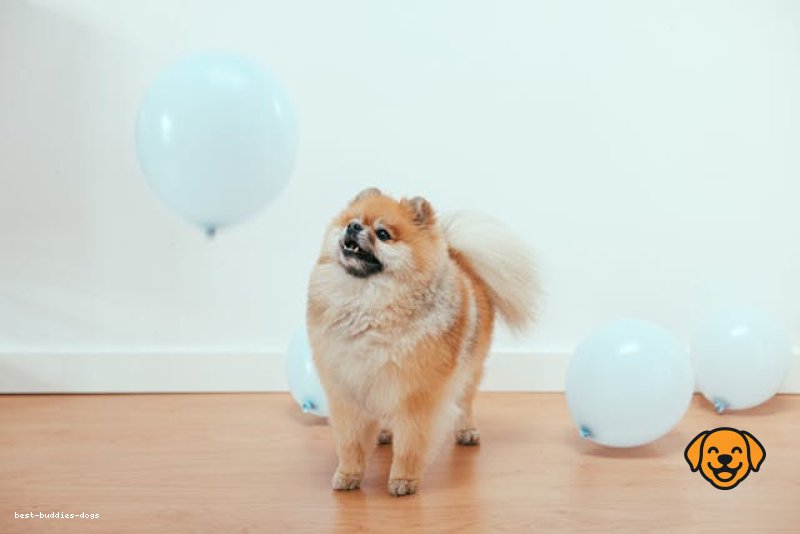
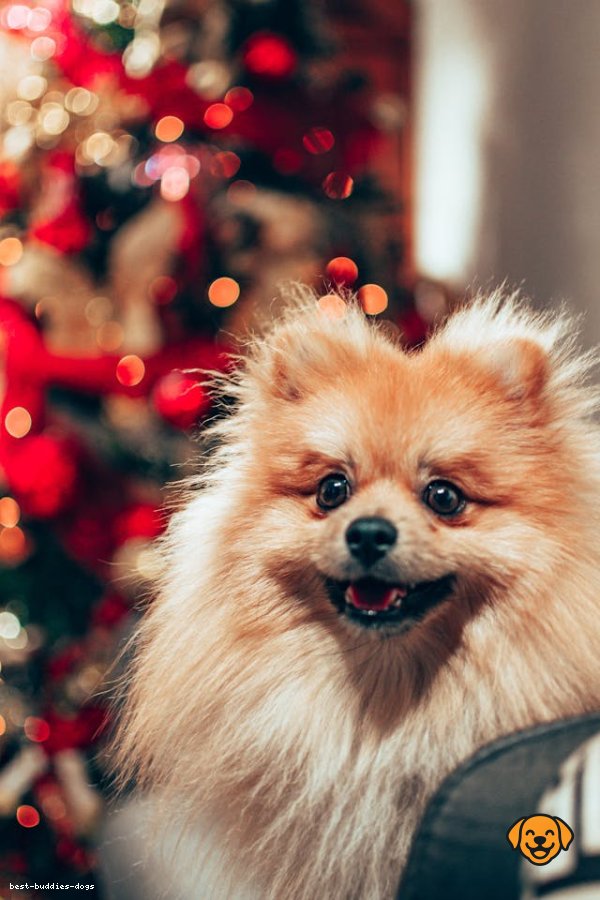
The Pomeranian is a burst of energy wrapped in a cloud of fluff. With their fox-like face, bright eyes, and proud stance, they carry themselves with bold confidence. Descended from large Arctic sledge dogs, today’s Pom still holds that brave spirit in a compact, adorable form.
Beneath their glamorous coat lies a deeply loving companion. Pomeranians form strong bonds with their family and love being involved in daily life. Their affection shows through excitement — happy spins, alert barks, and constant closeness to their favourite people.
They are alert and intelligent dogs who enjoy interaction and stimulation. When a Pomeranian curls up beside you after playtime, it feels warm and rewarding — a balance of energy and affection that’s hard to resist.
For those who enjoy cheerfulness, expressiveness, and a dog that brings sparkle into everyday life, the Pomeranian becomes more than a pet — they become a tiny source of happiness and devotion.
Feeding & Diet
Pomeranians need nutrient-dense food to support their energy and coat health.
Recommended:
-
High-quality small-breed food
-
Protein-rich, easily digestible meals
-
Omega fatty acids for skin and coat
Avoid:
-
Overfeeding
-
Sugary treats
-
Sudden diet changes
Small, measured portions help maintain a healthy weight.
Grooming Requirements
Their thick double coat needs regular attention.
-
Brush 3–4 times per week
-
Daily brushing during heavy shedding
-
Occasional bathing
-
Regular nail trimming, ear cleaning, and dental care
Consistent grooming keeps their coat fluffy and healthy.
Exercise Needs
Pomeranians are energetic but don’t need long workouts.
Daily activity includes:
-
30–45 minutes of activity
-
Short walks and indoor play
-
Mental stimulation through games and training
They enjoy activity mixed with cuddle time.
Common Health Issues
Pomeranians may be prone to:
-
Patellar luxation
-
Tracheal collapse
-
Dental problems
-
Alopecia X (coat issues)
-
Hypoglycemia (especially in puppies)
Regular veterinary care helps ensure a long, healthy life.
Training Tips
Pomeranians are intelligent but can be strong-willed.
Best training approach:
-
Positive reinforcement
-
Consistency and patience
-
Short, fun sessions
-
Early socialization
They learn quickly when training feels like play.
Is the Pomeranian Good with Kids and Other Pets?
-
Best with gentle, older children
-
Alert and protective despite small size
-
Can live with other pets if socialised early
They thrive in attentive, loving homes.
A Pomeranian loves loudly and lives brightly. Their bond is playful, loyal, and full of sparkle.
If you’re looking for a small dog with a big personality, endless charm, and constant affection, the Pomeranian will stay close — fluffy, fearless, and full of love
Good With
- families
- apartments
- quiet homes
Not Recommended
- owners ignoring grooming or training
At a Glance
Origin: Germany
Size: Small
Coat Type: Double coat
Coat Colors: All colors
Health Issues: Hip dysplasia, PRA, allergies
Photo Gallery