Pug
Quick Facts
Temperament: Charming, Mischievous, Loving
Height: 25 - 33 cm
Weight: 6 - 8 kg
Life Expectancy: 13-15 years
Barking Level: Moderate
Traits
About
Pugs are affectionate, emotionally expressive, and irresistibly charming. Their love is open and constant — they crave closeness and thrive on being near their people. A Pug doesn’t just share your space; they share your mood, your routines, and often your sofa.
Pug — The Little Clown with a Big Heart
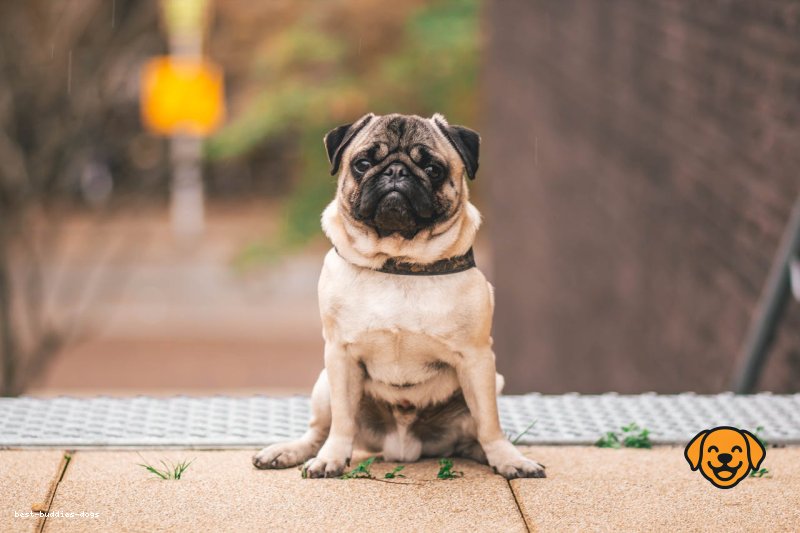
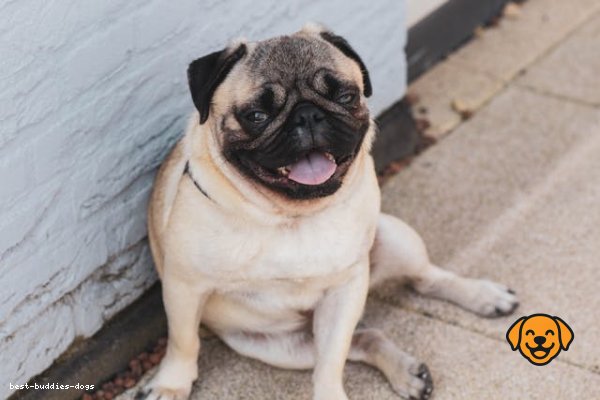
The Pug carries joy in every wrinkle and wag. With their round eyes, curled tail, and unmistakable expressions, they bring warmth and humor into everyday life. Though small in size, their personality is large — playful, loving, and delightfully silly.
Beneath their comical appearance lies a deeply devoted companion. Pugs form strong emotional bonds and enjoy being involved in everything their family does. Their affection shows through closeness — sitting on your lap, following you around the house, and curling up beside you at every opportunity.
They are sensitive dogs who respond strongly to human emotions. When a Pug leans into you or sighs contentedly at your side, it feels comforting and sincere — like unconditional love in a compact form.
For those who value companionship, laughter, and constant affection, the Pug becomes more than a pet — they become a cheerful shadow who fills life with warmth and smiles.
Feeding & Diet
Pugs love food, so careful portion control is essential.
Recommended:
-
High-quality, easily digestible food
-
Lean protein sources
-
Measured portions to prevent obesity
Avoid:
-
Overfeeding
-
Table scraps
-
High-fat treats
Maintaining a healthy weight is critical for breathing and joint health.
Grooming Requirements
Pugs have a short coat but require specific care.
-
Brush 2–3 times per week (they shed a lot)
-
Clean facial wrinkles regularly
-
Occasional bathing
-
Regular nail trimming, ear cleaning, and dental care
Wrinkle care is essential to prevent infections.
Exercise Needs
Pugs are playful but not high-endurance dogs.
Daily activity includes:
-
30–45 minutes of light exercise
-
Short walks and indoor play
-
Avoid intense activity in hot or humid weather
They prefer moderation over intensity.
Common Health Issues
Pugs are prone to several breed-specific conditions:
-
Brachycephalic airway syndrome
-
Obesity
-
Eye injuries and infections
-
Skin fold dermatitis
-
Hip dysplasia
Regular veterinary care is very important.
Training Tips
Pugs are intelligent but can be stubborn.
Best training approach:
-
Positive reinforcement
-
Patience and consistency
-
Short, fun sessions
-
Food motivation (used carefully)
Harsh training reduces trust — gentle encouragement works best.
Is the Pug Good with Kids and Other Pets?
-
Excellent with children
-
Very friendly with other pets
-
Loves social environments
They thrive in loving, indoor-focused homes.
A Pug loves without limits and lives to make you smile. Their bond is playful, affectionate, and deeply comforting.
If you’re looking for a dog that brings laughter, closeness, and endless companionship into your life, the Pug will happily stay by your side — snoring softly and loving loudly 🐶💛
Good With
- families
- apartment dwellers
- seniors
Not Recommended
- owners who neglect grooming
At a Glance
Origin: China
Size: Small
Coat Type: Short
Coat Colors: Fawn, Black
Health Issues: Hip dysplasia, cataracts, luxating patella
Photo Gallery