Rottweiler
Quick Facts
Temperament: Loyal, Loving, Confident Guardian
Height: 56 - 69 cm
Weight: 35 - 60 kg
Life Expectancy: 8-10 years
Barking Level: Low
Traits
About
Rottweilers are emotionally steady, deeply loyal, and powerfully devoted to their people. Their love is calm and confident — not loud or needy, but constant and reassuring. When a Rottweiler bonds with you, it is with complete trust and lifelong commitment.
Rottweiler — The Calm Strength with an Unshakable Heart
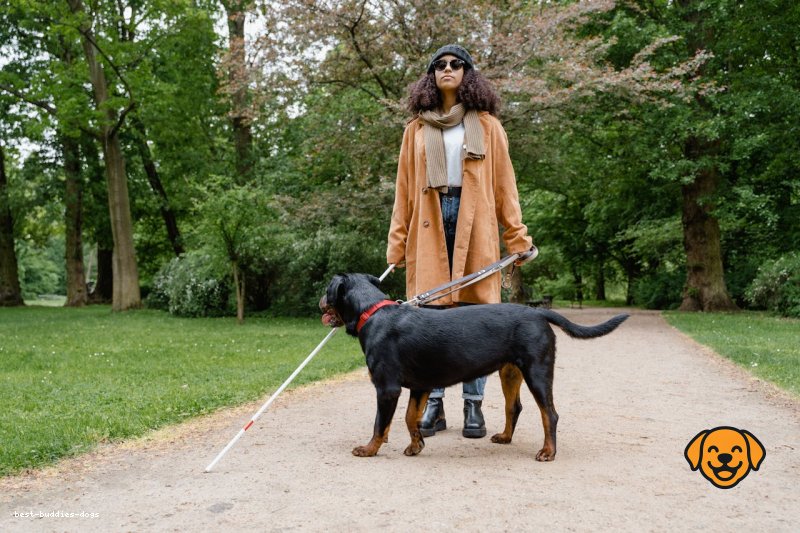
The Rottweiler carries strength that feels grounded rather than aggressive. With their broad chest, muscular frame, and composed expression, they project confidence and control. Originally bred as working and guarding dogs, they possess a natural sense of responsibility and purpose.
Beneath their formidable appearance lies a deeply affectionate and family-oriented companion. Rottweilers form intense bonds with their people and often position themselves close by — watching, waiting, protecting. Their affection shows through presence: sitting at your feet, leaning gently against you, or quietly following you from room to room.
They are emotionally intelligent dogs who read situations well. When properly raised, they are gentle with loved ones and serious only when needed. A Rottweiler resting beside you feels like safety personified — strong, calm, and unwavering.
For those who value loyalty, stability, and a bond built on mutual respect, the Rottweiler becomes more than a pet — they become a trusted guardian and a devoted family member.
Feeding & Diet
Rottweilers need a diet that supports muscle mass, joint health, and controlled growth.
Recommended:
-
High-quality protein-rich food
-
Balanced fats for sustained energy
-
Joint-support nutrients (glucosamine, omega fatty acids)
Avoid:
-
Overfeeding (prone to weight gain)
-
Low-quality fillers
-
Excessive treats
Maintaining a healthy weight is critical for joint and heart health.
Grooming Requirements
Their short double coat is easy to maintain.
-
Brush 1–2 times per week
-
Occasional bathing
-
Regular nail trimming
-
Routine ear cleaning and dental care
Minimal grooming keeps them clean and comfortable.
Exercise Needs
Rottweilers are strong, athletic dogs that need structured activity.
Daily activity includes:
-
60–90 minutes of exercise
-
Long walks, strength-based play, obedience work
-
Mental stimulation through training
They thrive with purposeful movement rather than chaotic play.
Common Health Issues
Rottweilers are generally robust but may be prone to:
-
Hip and elbow dysplasia
-
Heart conditions (aortic stenosis)
-
Osteosarcoma
-
Obesity
Regular veterinary checkups are essential for longevity.
Training Tips
Rottweilers are intelligent, confident, and responsive.
Best training approach:
-
Calm, firm leadership
-
Positive reinforcement
-
Consistent rules and structure
-
Early socialization
Harsh methods damage trust — leadership with respect builds excellence.
Is the Rottweiler Good with Kids and Other Pets?
-
Excellent with family children when properly trained
-
Naturally protective but stable
-
Can live with other pets if socialised early
They do best with responsible, confident owners.
A Rottweiler doesn’t need to prove strength — they are strength. Their love is steady, protective, and deeply sincere.
If you’re looking for a dog that will guard your home, your family, and your bond with quiet confidence, the Rottweiler will stand beside you — loyal, composed, and unbreakable 🖤🐕🦺
Good With
- families
- cold climates
- affectionate homes
Not Recommended
- hot weather regions or busy owners
At a Glance
Origin: Germany
Size: Large
Coat Type: Short
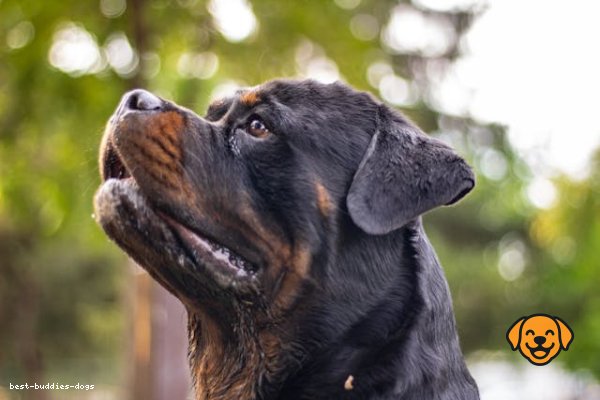
Coat Colors: Black with rust markings
Health Issues: Hip dysplasia, epilepsy, skin allergies
Photo Gallery