Shiba Inu
Quick Facts
Temperament: Alert, Active, Attentive
Height: 33 - 43 cm
Weight: 8 - 11 kg
Life Expectancy: 12-15 years
Barking Level: Moderate
Traits
About
Shiba Inus are independent, intelligent, and quietly affectionate. Their love is subtle and dignified — they don’t cling or demand attention, but when they choose you, the bond feels deliberate and sincere. A Shiba Inu values personal space, yet forms deep emotional loyalty with those they trust.
Shiba Inu — The Proud Spirit with a Silent Devotion
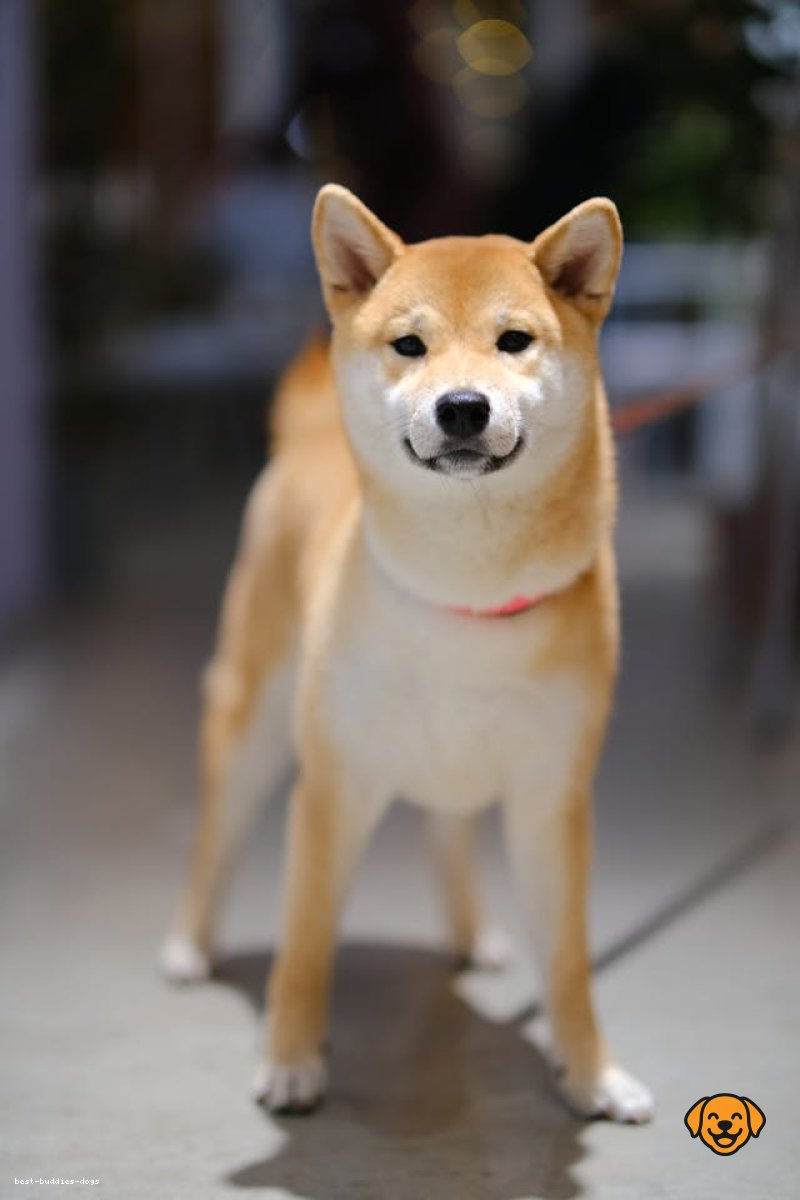
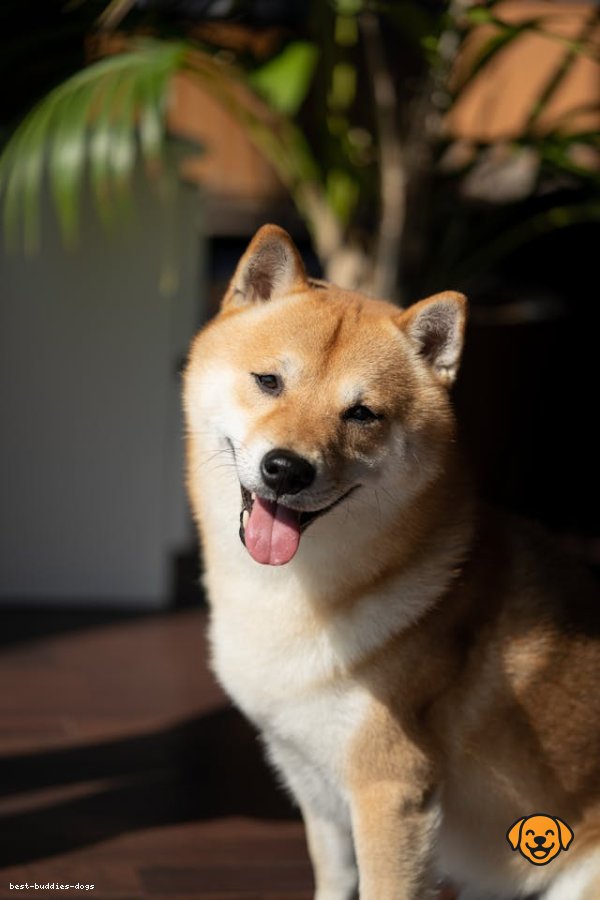
The Shiba Inu carries the soul of ancient Japan in a compact, fox-like form. With alert eyes, confident posture, and graceful movements, they radiate self-respect and composure. Every step feels intentional, as if they move through the world on their own thoughtful terms.
Beneath their composed exterior lies a deeply loyal companion. Shiba Inus bond strongly with their family, often expressing affection in quiet ways — sitting nearby, following at a distance, or sharing calm moments without constant contact. Their love is understated but genuine.
They are clean, observant, and emotionally aware dogs. When a Shiba Inu chooses to rest beside you, it feels meaningful — not habitual, but chosen. Their trust is something earned, and once given, it runs deep.
For those who appreciate independence, intelligence, and a bond built on mutual respect, the Shiba Inu becomes more than a pet — they become a proud companion who walks beside you in their own balanced way.
Feeding & Diet
Shiba Inus need balanced nutrition to support lean muscle and energy.
Recommended:
-
High-quality protein-rich food
-
Balanced fats for energy
-
Controlled portions to maintain healthy weight
Avoid:
-
Overfeeding
-
Low-quality fillers
-
Sudden diet changes
A lean body helps maintain agility and joint health.
Grooming Requirements
Their dense double coat requires routine care.
-
Brush 2–3 times per week
-
Daily brushing during heavy shedding seasons
-
Occasional bathing
-
Regular nail trimming, ear cleaning, and dental care
Shibas are naturally clean but shed heavily.
Exercise Needs
Shiba Inus are active but not hyperactive.
Daily activity includes:
-
45–60 minutes of exercise
-
Walks, playtime, and exploration
-
Mental stimulation through training or puzzles
They enjoy movement with freedom, not force.
Common Health Issues
Shiba Inus are generally healthy but may be prone to:
-
Hip dysplasia
-
Patellar luxation
-
Allergies
-
Eye conditions
Routine veterinary care ensures long-term wellbeing.
Training Tips
Shiba Inus are intelligent but famously independent.
Best training approach:
-
Positive reinforcement
-
Patience and consistency
-
Short, engaging sessions
-
Early socialization
Harsh training causes resistance — respect builds cooperation.
Is the Shiba Inu Good with Kids and Other Pets?
-
Best with respectful, older children
-
Can be selective with other dogs
-
High prey drive — caution with small pets
They thrive in calm, structured environments.
A Shiba Inu doesn’t follow blindly — they choose. Their love is quiet, proud, and deeply sincere.
If you’re drawn to independence, elegance, and a bond built on mutual respect rather than dependence, the Shiba Inu will walk beside you — self-assured, loyal, and beautifully balanced
Good With
- families
- city dwellers
- first-time owners
Not Recommended
- owners neglecting grooming schedules
At a Glance
Origin: Japan
Size: Small
Coat Type: Double coat
Coat Colors: Red, Sesame, Black & Tan
Health Issues: Pancreatitis, bladder stones, diabetes
Photo Gallery