Best Dog Breeds for the Indian Climate
Discover the top 15 dog breeds in India that adapt well to the Indian climate and lifestyle. Learn about temperament, suitable food, family friendliness, and daily care tips before choosing your dog.
15 Rajapalayam
The Rajapalayam is a proud and ancient Indian dog breed that originated in Tamil Nadu, especially around the town of Rajapalayam. Traditionally used by royalty and warriors for guarding palaces and hunting, this breed is known for its fierce loyalty, intelligence, and strong protective instincts. Unlike many foreign breeds, Rajapalayam dogs form a deep bond with one family and are naturally reserved around strangers.
Rajapalayam dogs are perfectly adapted to Indian weather. Their short, fine coat helps them tolerate high temperatures, humidity, and dry heat with ease. They thrive in hot regions where many foreign breeds struggle. Unlike thick-coated dogs, Rajapalayams do not overheat easily, making them ideal for South Indian and tropical climates. They prefer open, airy spaces and are happiest in independent houses rather than closed apartments.
One of the biggest advantages of the Rajapalayam is its simple food requirements. This breed thrives on traditional Indian home-cooked food. A diet consisting of rice, ragi, boiled chicken, fish, eggs, vegetables, and curd suits them very well. They have strong digestion and do not require expensive imported dog food. However, spicy, oily, and salty food should be avoided to maintain long-term health.
Rajapalayams are extremely loyal to their owners and family members. They are natural guard dogs and do not bark unnecessarily—when they alert, it usually means something is wrong. With children in the family, they are protective rather than playful, so early socialisation is important. This breed is best suited for families looking for a serious guard dog rather than a playful companion.
Rajapalayam dogs are active and athletic by nature. They require daily walks and open space to move freely. Long leash walks or free movement in a secure compound are ideal. Grooming needs are minimal—weekly brushing and occasional bathing are sufficient. This breed has strong immunity and rarely suffers from genetic diseases when properly cared for.
14 Great Dane
The Great Dane is often called a “gentle giant”, and that description fits perfectly. Despite their massive size, Great Danes are calm, affectionate, and extremely people-oriented dogs. They are known for their friendly nature and usually prefer staying close to their owners rather than acting independently. In Indian families, Great Danes often behave like oversized lap dogs, always seeking attention and affection.
Great Danes adapt to the Indian climate better than many people expect, mainly because of their short coat. They tolerate moderate heat fairly well, but extreme summers can still be challenging due to their large body size. To help them live comfortably in India, it’s important to provide a well-ventilated indoor space, plenty of fresh water, and limited outdoor activity during peak heat hours. Early morning and late evening walks are ideal.
Unlike cold-climate breeds, Great Danes do not need air conditioning all the time, but cooling support like fans, shaded resting areas, and tiled floors helps them stay comfortable during hot months.
Food is one of the most important aspects of caring for a Great Dane in India. Because of their rapid growth and large size, they require a high-quality, well-balanced diet. Home-cooked food like boiled chicken, eggs, fish, rice, oats, vegetables, and curd works well when properly portioned. Calcium and protein balance are very important, especially during puppy stages, to avoid bone and joint problems.
Overfeeding should be avoided, as excess weight can put stress on their joints and heart. Feeding smaller portions 2–3 times a day is better than one heavy meal, and fresh water should always be available.
Great Danes are excellent family dogs. They are gentle with children, friendly with guests, and usually peaceful indoors. However, due to their size, they are better suited for large apartments or independent houses rather than small flats. They are not aggressive guard dogs, but their sheer size alone is often enough to deter intruders.
They do best in homes where owners can spend time with them, as Great Danes are emotionally sensitive and do not like being ignored or left alone for long hours.
Despite their size, Great Danes do not need excessive exercise. Daily walks and light playtime are sufficient. Over-exercising puppies should be avoided to protect developing joints. Grooming needs are minimal—weekly brushing and occasional baths are enough.
Regular vet checkups are important, as Great Danes can be prone to joint issues, bloating (gastric torsion), and heart conditions. Feeding after exercise and avoiding heavy activity immediately after meals helps reduce health risks.
The average lifespan of a Great Dane is around 7–10 years, which is shorter compared to smaller breeds. However, with proper diet, controlled exercise, and good veterinary care, many Great Danes live healthy and comfortable lives in Indian households.
13 Pomeranian
Pomeranians are small in size but big in personality. They are lively, intelligent, and extremely affectionate dogs that love being the centre of attention. Known for their alert nature and fox-like appearance, Pomeranians quickly form strong bonds with their owners and enjoy constant human interaction. In Indian households, they are often treated like family members—and they love it.
Because of their thick, fluffy double coat, Indian summers can be challenging for Pomeranians. However, they can survive well in the Indian climate when given proper care. Keeping them indoors during peak heat, ensuring good air circulation, and avoiding direct sunlight are essential. Many Indian Pomeranian owners manage summers comfortably with fans, cool flooring, and early morning or late evening walks.
Regular grooming plays a big role in helping them stay cool. While shaving is not recommended, trimming excess fur and brushing regularly helps prevent overheating and skin issues.
Pomeranians have a small stomach, so they need light, nutritious, and well-balanced food. Home-cooked meals like boiled chicken, eggs, rice, pumpkin, carrots, and curd work well when given in proper portions. High-quality small-breed dog food can also be used, especially to ensure balanced nutrition.
Avoid giving spicy, oily, or sugary Indian food, as Pomeranians have a sensitive digestive system. Overfeeding should be avoided because obesity can quickly lead to joint and breathing problems in small breeds. Fresh water should always be available, especially during hot weather.
Pomeranians are excellent dogs for apartments and small homes. They do not need large spaces and are happy as long as they receive love and attention. They are playful with children but do best with gentle handling due to their small size. This breed also makes a good alert dog, as they tend to bark when they sense unfamiliar activity.
They are especially suitable for elderly owners, working professionals, and families living in cities, as their exercise needs are moderate and manageable indoors.
Pomeranians do not require heavy exercise. Short daily walks and indoor playtime are enough to keep them healthy and happy. Mental stimulation through toys and interaction is important to prevent boredom-related barking.
Grooming is a key part of Pomeranian care. Their coat needs brushing at least 3–4 times a week to avoid tangles and excessive shedding. Regular dental care, nail trimming, and vet checkups help maintain overall health.
With proper care, Pomeranians usually live 12–16 years. They are generally healthy but can be prone to dental issues, knee problems, and hair loss if not maintained properly. A balanced diet, regular grooming, and preventive healthcare ensure a long and happy life in Indian conditions.
12 Dachshund
The Dachshund, often lovingly called the “sausage dog”, is small in size but full of confidence and charm. Originally bred for hunting, Dachshunds are intelligent, curious, and surprisingly brave. In Indian homes, they are known for their strong attachment to their owners and their playful yet protective nature. They enjoy attention and like being close to their family members.
Dachshunds adapt very well to the Indian climate, especially the short-haired variety. Their smooth coat helps them tolerate warm weather better than many long-haired breeds. During peak summer, it’s still important to keep them indoors during the hottest hours, provide cool resting areas, and ensure constant access to fresh water. Early morning and evening walks are best in Indian conditions.
Because of their short legs and low body structure, Dachshunds should not be walked on very hot surfaces, as heat from roads can affect them quickly.
Dachshunds have a tendency to gain weight easily, so diet control is extremely important. A balanced diet with controlled portions works best. Home-cooked food like boiled chicken, eggs, rice, vegetables, and curd suits them well. High-quality small-breed dog food can also be included for nutritional balance.
Avoid feeding oily, spicy, or leftover Indian food, as it can lead to digestive issues and obesity. Overfeeding can put extra pressure on their long spine, increasing the risk of back problems.
Dachshunds are excellent dogs for apartments and small homes. They do not require large spaces and adapt well to indoor living. They are affectionate with family members and can be good with children if handled gently. Their alert nature also makes them good watchdogs, as they tend to bark when they sense something unusual.
They are best suited for families who can give them time, interaction, and proper training, as Dachshunds can be stubborn at times.
Daily short walks and indoor playtime are enough to keep a Dachshund healthy. Jumping from heights or climbing stairs frequently should be avoided, as it can harm the spine. Using ramps and controlled movement is recommended.
Grooming needs are minimal, especially for short-haired Dachshunds. Weekly brushing, regular nail trimming, dental care, and routine vet visits help maintain overall health.
Dachshunds generally live 12–15 years when cared for properly. The most common health concern is spinal issues, which can be managed with proper weight control and activity restriction. Being small and adaptable, they handle Indian living conditions very well with basic care.
11 Boxer
Boxers are energetic, playful, and deeply loyal dogs that quickly become an inseparable part of the family. They are known for their fun-loving personality and affectionate nature, especially with children. Despite their muscular appearance, Boxers are emotionally sensitive dogs that thrive on human companionship and attention.
Thanks to their short coat, Boxers adapt fairly well to the Indian climate. However, Indian summers can still be demanding, especially because Boxers have a short muzzle, which makes them sensitive to extreme heat. To help them stay comfortable, it’s important to avoid outdoor activity during peak heat, ensure good ventilation at home, and provide plenty of fresh water throughout the day.
Early-morning and late-evening walks are ideal in India. Boxers should never be over-exercised in hot weather, as they can overheat quickly.
Boxers are active dogs and require a protein-rich, balanced diet to maintain their muscle mass and energy levels. Home-cooked food such as boiled chicken, eggs, fish, rice, vegetables, and curd works well for them. High-quality dog food can also be included to ensure complete nutrition.
Avoid feeding oily, spicy, or leftover Indian food, as Boxers can have sensitive digestion. Portion control is important to prevent obesity, which can put stress on the joints and heart.
Boxers make excellent family dogs and are especially good with children due to their playful and protective nature. They can live in apartments if given enough daily exercise, but they are happier in homes with some open space. While not aggressive guard dogs, Boxers are naturally alert and will protect their family if needed.
They are best suited for families that can spend time playing with them and involving them in daily activities, as Boxers do not enjoy being left alone for long periods.
Boxers are energetic and need daily walks, playtime, and mental stimulation. Interactive games help keep them physically fit and mentally satisfied. Grooming needs are minimal—weekly brushing and occasional bathing are sufficient.
Regular vet checkups are important, as Boxers can be prone to heart conditions, skin allergies, and joint issues. Keeping them active, well-fed, and regularly monitored ensures a healthy life in Indian conditions.
With proper care, Boxers usually live 10–12 years. Maintaining a healthy diet, regular exercise routine, and preventive healthcare helps them enjoy a happy and active life in India.
10 Indian Spitz
The Indian Spitz is one of the most popular and trusted dog breeds in Indian households. Known for their intelligence, alertness, and friendly nature, Indian Spitz dogs are excellent companions for families. They are playful yet disciplined, making them easy to train even for first-time dog owners. Their sharp senses and vocal nature also make them good alert dogs.
Although the Indian Spitz has a thick, fluffy coat, it adapts surprisingly well to Indian weather. This breed has evolved locally, making it more tolerant of Indian heat compared to foreign spitz breeds. Proper grooming helps regulate body temperature, and regular brushing prevents heat buildup in the coat. During peak summers, keeping them indoors during hot afternoons, providing cool flooring, and ensuring good ventilation help them stay comfortable.
Avoid shaving the coat completely, as it actually protects them from heat and sunburn. Instead, regular trimming and brushing are recommended.
Indian Spitz dogs do well on simple, nutritious Indian food. Home-cooked meals like rice, boiled chicken, eggs, vegetables, curd, and fish suit them well. High-quality dry dog food can also be included for balanced nutrition. They generally have a good digestive system and do not require expensive or specialised diets.
Avoid feeding oily, spicy, or sugary foods, as these can cause skin issues and digestive problems. Fresh water should always be available, especially during the summer months.
Indian Spitz dogs are excellent for both apartments and independent houses. They are friendly with children, affectionate with family members, and usually get along well with other pets. Their alert nature makes them good watchdogs, as they quickly respond to unfamiliar sounds or people.
They are ideal for urban families, elderly owners, and working professionals, as long as they receive daily interaction and attention.
Indian Spitz dogs need moderate daily exercise. Regular walks, indoor play, and interaction are enough to keep them healthy and happy. Mental stimulation through training and games helps prevent boredom and excessive barking.
Grooming is an important part of caring for an Indian Spitz. Brushing 3–4 times a week helps control shedding and keeps the coat healthy. Regular nail trimming, dental care, and routine vet checkups ensure overall well-being.
Indian Spitz dogs generally live 12–15 years and are known for their strong immunity. They are less prone to genetic health problems compared to many foreign breeds. With proper diet, grooming, and preventive healthcare, they lead long and healthy lives in Indian conditions.
9 Shih Tzu
Shih Tzus are gentle, affectionate, and calm dogs that are bred mainly for companionship. They love being around people and enjoy spending time indoors with their family. Unlike highly energetic breeds, Shih Tzus are relaxed and content with a peaceful lifestyle, making them especially popular among apartment owners, elderly people, and families looking for a low-stress pet.
Indian summers can be challenging for Shih Tzus because of their long coat and flat (brachycephalic) face. However, they can live comfortably in India with proper care. Keeping them indoors during hot afternoons, providing good air circulation, and ensuring constant access to fresh water are very important. Walks should be limited to early mornings or late evenings.
Regular grooming helps a lot in managing heat. Many Indian owners prefer a shorter “puppy cut” during summer, which makes it easier for Shih Tzus to stay cool while still protecting their skin.
Shih Tzus have a sensitive digestive system, so their food should be light, nutritious, and easy to digest. Home-cooked meals like boiled chicken, eggs, rice, pumpkin, carrots, and curd work well when given in the right portions. High-quality small-breed dog food is also a good option to maintain balanced nutrition.
Avoid spicy, oily, or sugary Indian food, as it can cause stomach issues, skin allergies, and hair problems. Portion control is important because Shih Tzus gain weight easily if overfed.
Shih Tzus are excellent family dogs and are especially suitable for apartment living. They are affectionate with children and gentle by nature, though supervision is recommended with very young kids due to their small size. They are not guard dogs, but they will alert owners by barking if they sense unfamiliar activity.
They thrive in homes where they receive attention and companionship, as they do not enjoy being left alone for long periods.
Shih Tzus do not need heavy exercise. Short daily walks and indoor playtime are enough to keep them healthy. Over-exercising should be avoided, especially in hot weather.
Grooming is a major part of Shih Tzu care. Daily or frequent brushing prevents matting, and regular eye and ear cleaning is essential. Routine vet visits, dental care, and proper grooming help maintain their overall health.
With proper care, Shih Tzus usually live 12–16 years. They are generally healthy but can be prone to breathing issues, eye problems, and skin allergies. Proper grooming, climate care, and a balanced diet help them live comfortably in Indian conditions.
8 Doberman Pinscher
The Doberman Pinscher is known for its sharp intelligence, loyalty, and strong protective instincts. Often misunderstood as aggressive, Dobermans are actually highly affectionate with their family and form deep emotional bonds with their owners. They are alert, confident, and naturally watchful, making them one of the most trusted guard dogs in Indian homes.
Dobermans adapt very well to the Indian climate because of their short, sleek coat. Unlike thick-fur breeds, they tolerate heat better and are comfortable in most parts of India. However, extreme summer heat still requires care—adequate shade, fresh water, and avoiding outdoor activity during peak afternoon hours are important.
They are sensitive to cold, so in northern regions during winter, a light coat or warm bedding is recommended.
Dobermans are muscular and energetic dogs that need a high-protein, well-balanced diet. Home-cooked food such as boiled chicken, eggs, fish, rice, vegetables, and curd suits them well when portioned correctly. Many Indian owners combine home food with quality dog food to ensure complete nutrition.
Avoid feeding oily, spicy, or salty food, as Dobermans can develop digestive issues and skin allergies. Proper hydration is essential, especially in hot climates.
Dobermans are excellent guard dogs and are naturally protective of their family and property. They are best suited for independent houses or homes with some open space, but they can adapt to apartments if given enough daily exercise.
With family members, they are affectionate and gentle, including with children when properly trained. Early socialisation is important to ensure balanced behaviour with guests and other pets.
Dobermans are active dogs and need daily walks, playtime, and mental stimulation. Training is essential—not just for discipline, but also to keep them mentally satisfied. They respond extremely well to positive reinforcement and structured routines.
Grooming needs are minimal due to their short coat. Weekly brushing, regular nail trimming, dental care, and routine vet checkups are enough to keep them healthy.
With proper care, Dobermans usually live 10–13 years. They can be prone to heart issues and joint problems, so regular health checkups are important. A balanced diet, controlled exercise, and preventive healthcare help them live a strong and comfortable life in Indian conditions.
7 Pug
Pugs are small, charming, and full of personality. Known for their wrinkled face and expressive eyes, Pugs are extremely affectionate and love being around people. They form strong emotional bonds with their owners and enjoy relaxing indoors, making them one of the most popular companion dogs in Indian homes.
Indian climate can be challenging for Pugs because of their flat (brachycephalic) face, which makes breathing difficult in hot and humid conditions. However, Pugs can live comfortably in India with proper care. They should always be kept indoors during peak summer hours, provided with good ventilation, fans, or air cooling, and given plenty of fresh water.
Walks should be limited to early mornings or late evenings. Pugs should never be over-exercised in hot weather, as they can overheat very quickly.
Pugs love food and tend to gain weight easily, so diet control is extremely important. They do well on light, nutritious food such as boiled chicken, eggs, rice, vegetables, pumpkin, and curd. High-quality dog food formulated for small breeds is also a good option.
Avoid feeding oily, spicy, salty, or sugary Indian food, as it can lead to obesity, breathing issues, and digestion problems. Portion control and fixed meal timings are key to keeping a Pug healthy.
Pugs are excellent apartment dogs and fit well into families, especially those with children and elderly members. They are playful but not overly energetic and enjoy spending time sitting near their owners. While they are not guard dogs, they may bark occasionally to alert their family.
They do best in homes where they receive attention and companionship, as Pugs do not like being left alone for long periods.
Pugs require only moderate exercise. Short walks and indoor playtime are enough to keep them active. Heavy exercise should be avoided, especially in warm weather.
Grooming is relatively easy, but special care is needed for their facial wrinkles, which should be cleaned regularly to prevent infections. Weekly brushing, nail trimming, dental care, and routine vet visits help maintain overall health.
With proper care, Pugs usually live 12–15 years. Common health concerns include breathing problems, obesity, and skin infections. Good climate management, controlled diet, and regular veterinary care help them live comfortably in Indian conditions.
6 Beagle
Beagles are cheerful, curious, and friendly dogs that bring a lot of energy into a home. Known for their expressive eyes and playful nature, Beagles love being around people and usually get along very well with children and other pets. They are social dogs by nature and enjoy being part of an active family rather than staying alone.
Beagles adapt quite well to the Indian climate because of their short, smooth coat. They tolerate warm weather better than many long-haired breeds, but extreme heat can still make them uncomfortable. During Indian summers, it’s important to keep them hydrated, provide shaded resting areas, and avoid walks during hot afternoons. Early morning and late evening walks are ideal.
Good ventilation at home and cool flooring help Beagles stay comfortable, especially in cities with high humidity.
Beagles absolutely love food, which means diet control is very important. They do well on a balanced diet that includes boiled chicken, eggs, rice, vegetables, pumpkin, carrots, and curd. Quality dog food can also be included to meet their nutritional needs.
Avoid feeding oily, spicy, or sugary Indian food, as Beagles are prone to weight gain and digestion issues. Portion control and fixed meal timings are essential because obesity can quickly lead to joint and heart problems in this breed.
Beagles are excellent family dogs and can live comfortably in apartments if their exercise needs are met. They are playful, gentle with children, and friendly with visitors. However, Beagles are not strong guard dogs—they are more likely to greet strangers than scare them away.
Because they are social animals, Beagles do not enjoy being left alone for long hours. They are best suited for families that can give them time, interaction, and regular activity.
Beagles are energetic dogs and need daily walks and playtime to stay healthy and mentally satisfied. Their strong sense of smell means they love exploring, so leash walks are important to prevent them from wandering off. Mental stimulation through games and training helps control boredom-related behaviours like excessive barking.
Grooming needs are low. Weekly brushing, regular nail trimming, dental care, and routine vet checkups are enough to keep them healthy in Indian conditions.
With proper care, Beagles usually live 12–15 years. They are generally healthy but can be prone to obesity and ear infections. Regular exercise, controlled diet, and proper ear cleaning help maintain their overall health and quality of life.
5 Rottweiler
Rottweilers are powerful, confident, and deeply loyal dogs. Often misunderstood because of their tough appearance, a well-trained Rottweiler is calm, affectionate, and extremely devoted to its family. They form strong bonds with their owners and are naturally protective, making them one of the most trusted guard dogs in Indian households.
Rottweilers adapt quite well to the Indian climate thanks to their short, dense coat. They tolerate heat better than long-haired breeds, but Indian summers still require sensible care. During hot months, they should be kept in shaded, well-ventilated areas with constant access to fresh water. Walks and exercise should be limited to early mornings and late evenings.
They do not need air conditioning all the time, but cooling floors, fans, and rest during peak heat hours help them stay comfortable, especially in humid regions.
Rottweilers are muscular dogs and need a protein-rich, balanced diet to maintain strength and joint health. Home-cooked Indian food, such as boiled chicken, eggs, fish, rice, vegetables, and curd, works very well when given in proper portions. Many Indian owners combine home food with high-quality dog food for complete nutrition.
Overfeeding should be avoided, as excess weight can lead to joint problems and heart strain. Spicy, oily, and salty food should never be given. Fresh water is especially important during the summer.
Rottweilers are excellent family protectors. With their own people, they are affectionate and calm, and with proper socialisation, they can be gentle with children. However, due to their size and strength, they are best suited for experienced owners and families living in independent houses or homes with some open space.
As guard dogs, Rottweilers are naturally alert and fearless. They do not bark unnecessarily, but when they do, it usually signals something important.
Rottweilers need daily exercise to stay fit and mentally balanced. Long walks, controlled playtime, and basic training sessions help channel their energy positively. Training is essential from a young age to build obedience and confidence.
Grooming is easy due to their short coat—weekly brushing and occasional baths are enough. Regular vet checkups, joint care, and consistent training are key parts of responsible Rottweiler ownership in India.
With proper care, Rottweilers usually live 9–12 years. Common health concerns include joint issues and heart problems, which can be managed with a controlled diet, regular exercise, and preventive veterinary care. Being strong dogs, they generally handle Indian living conditions well when maintained properly.
4 Golden Retriever
Golden Retrievers are known for their calm, loving, and friendly nature. They are extremely people-oriented dogs and quickly become an emotional part of the family. Gentle with children, patient with elders, and friendly with visitors, Golden Retrievers are among the best family dogs in India. They enjoy human company and do not like being left alone for long periods.
Golden Retrievers have a long, dense coat, which means Indian summers can be challenging for them. However, they can live comfortably in India with proper care. Keeping them indoors during peak heat, ensuring good ventilation, and providing plenty of fresh water are essential. Walks should always be scheduled early in the morning or late in the evening.
Regular grooming helps manage heat. Many Indian owners opt for regular trimming (not complete shaving) to reduce discomfort while still protecting the skin. Cooling mats, tiled floors, and shaded resting areas also help them cope better with warm weather.
Golden Retrievers need a well-balanced, protein-rich diet to maintain their energy, coat health, and overall fitness. Home-cooked food such as boiled chicken, eggs, fish, rice, oats, pumpkin, carrots, and curd suits them well. High-quality dog food can also be included to ensure complete nutrition.
They love food and can gain weight easily, so portion control is important. Avoid oily, spicy, salty, or sugary Indian food, as it can cause digestion problems and skin issues. Fresh water should always be available, especially during hot months.
Golden Retrievers are excellent family dogs and do well in homes where they receive attention and affection. They are best suited for independent houses or large apartments, as they need some space to move around. While they are not natural guard dogs, they are alert and will notify owners if something unusual happens.
They are ideal for families with children and other pets, thanks to their gentle and tolerant nature.
Golden Retrievers are active dogs and need daily exercise to stay healthy. Long walks, playtime, and activities like fetching help burn energy and keep them mentally satisfied. They also enjoy swimming, which is great exercise and helps them cool down in Indian weather.
Grooming is an important part of Golden Retriever care. Their coat needs brushing at least 3–4 times a week to control shedding and prevent matting. Regular ear cleaning, nail trimming, dental care, and routine vet visits are essential.
With proper care, Golden Retrievers usually live 10–12 years. Common health concerns include joint problems, skin allergies, and ear infections. A balanced diet, controlled exercise, good grooming, and preventive healthcare help them live a comfortable and happy life in Indian conditions.
3 German Shepherd 🥉
German Shepherds are one of the most intelligent, loyal, and versatile dog breeds in the world. In Indian homes, they are valued for their deep sense of loyalty, discipline, and protective instincts. A well-trained German Shepherd is calm with family members, affectionate with children, and extremely devoted to its owner, often forming a strong emotional bond.
German Shepherds have a thick double coat, which means Indian summers can be challenging for them. However, they can live comfortably in India with proper care. Keeping them in well-ventilated spaces, providing shade, and ensuring constant access to fresh water are essential. Outdoor activities should be avoided during peak afternoon heat, with walks scheduled early morning or late evening.
Regular grooming helps manage heat by removing loose fur and improving airflow through the coat. Shaving is not recommended, as the coat protects them from both heat and sunburn.
German Shepherds require a high-protein, balanced diet to support their muscular build and active lifestyle. Home-cooked food such as boiled chicken, eggs, fish, rice, oats, vegetables, and curd works very well in Indian conditions. Many owners combine home food with high-quality dog food to ensure complete nutrition.
They can be prone to digestive sensitivity, so oily, spicy, or leftover Indian food should be avoided. Feeding smaller portions twice a day helps improve digestion and prevents bloating. Proper hydration is especially important during the summer months.
German Shepherds are excellent family protectors and natural guard dogs. They are alert, fearless, and highly observant, making them ideal for independent houses and gated homes. With early socialisation, they are gentle and patient with children, though supervision is advised due to their size and strength.
They are best suited for families that can provide time for training, exercise, and companionship, as German Shepherds thrive on mental engagement and structure.
This breed needs daily physical exercise and mental stimulation. Long walks, obedience training, and interactive play help keep them balanced and happy. Without enough activity, German Shepherds can become restless or develop behavioural issues.
Grooming requires regular brushing (3–4 times a week) to manage shedding. Routine nail trimming, ear cleaning, dental care, and regular vet checkups are essential to maintain overall health.
With proper care, German Shepherds usually live 9–13 years. Common health concerns include hip and elbow dysplasia, joint problems, and digestive issues. Maintaining a healthy weight, providing joint-supportive nutrition, and regular veterinary care help them live a strong and comfortable life in Indian conditions.
2 Labrador Retriever 🥈
Labrador Retrievers are one of the most loved dog breeds in India, and for good reason. They are friendly, intelligent, and emotionally sensitive dogs that quickly become a part of the family. Labradors are known for their gentle behaviour with children, patience with elders, and easygoing nature with guests and other pets. Their loving personality makes them an excellent choice for first-time dog owners.
Labradors adapt quite well to the Indian climate compared to many foreign breeds because of their short coat. However, Indian summers can still be tough for them, especially in very hot and humid regions. To keep a Labrador comfortable, it’s important to provide a cool indoor environment, plenty of fresh water, and avoid outdoor activity during peak afternoon heat. Early morning and late evening walks work best in Indian weather.
They enjoy water and often like cooling off by playing with water or swimming, which helps regulate body temperature during the summer months.
Labradors love food—sometimes a little too much—so diet control is extremely important. They do best on a balanced, protein-rich diet. Home-cooked Indian food, such as boiled chicken, eggs, fish, rice, vegetables, pumpkin, carrots, and curd, suits them very well. Many Indian owners combine home food with good-quality dog food for complete nutrition.
Avoid oily, spicy, salty, or sugary food, as Labradors are prone to obesity and digestive issues. Portion control and fixed meal timings are key to keeping them healthy. Fresh water should always be available, especially during hot weather.
Labrador Retrievers are excellent family dogs and can live happily in both large apartments and independent houses, as long as they get enough daily exercise. They are not aggressive guard dogs, but they are alert and will bark if they sense something unusual. Their friendly nature makes them better companions than protectors.
They thrive in homes where they receive attention and companionship, as Labradors do not like being left alone for long periods.
Labradors are energetic dogs and need regular exercise to stay healthy and mentally satisfied. Daily walks, playtime, and activities like fetch or swimming help prevent boredom and weight gain. Without enough exercise, Labradors can become lazy and overweight.
Grooming is easy due to their short coat. Weekly brushing helps control shedding. Regular nail trimming, ear cleaning, dental care, and routine vet checkups are essential for long-term health.
With proper care, Labradors usually live 10–14 years. Common health issues include obesity, joint problems, and ear infections. A controlled diet, regular exercise, and preventive healthcare help them live a happy and active life in Indian conditions.
1 Indian Pariah🥇
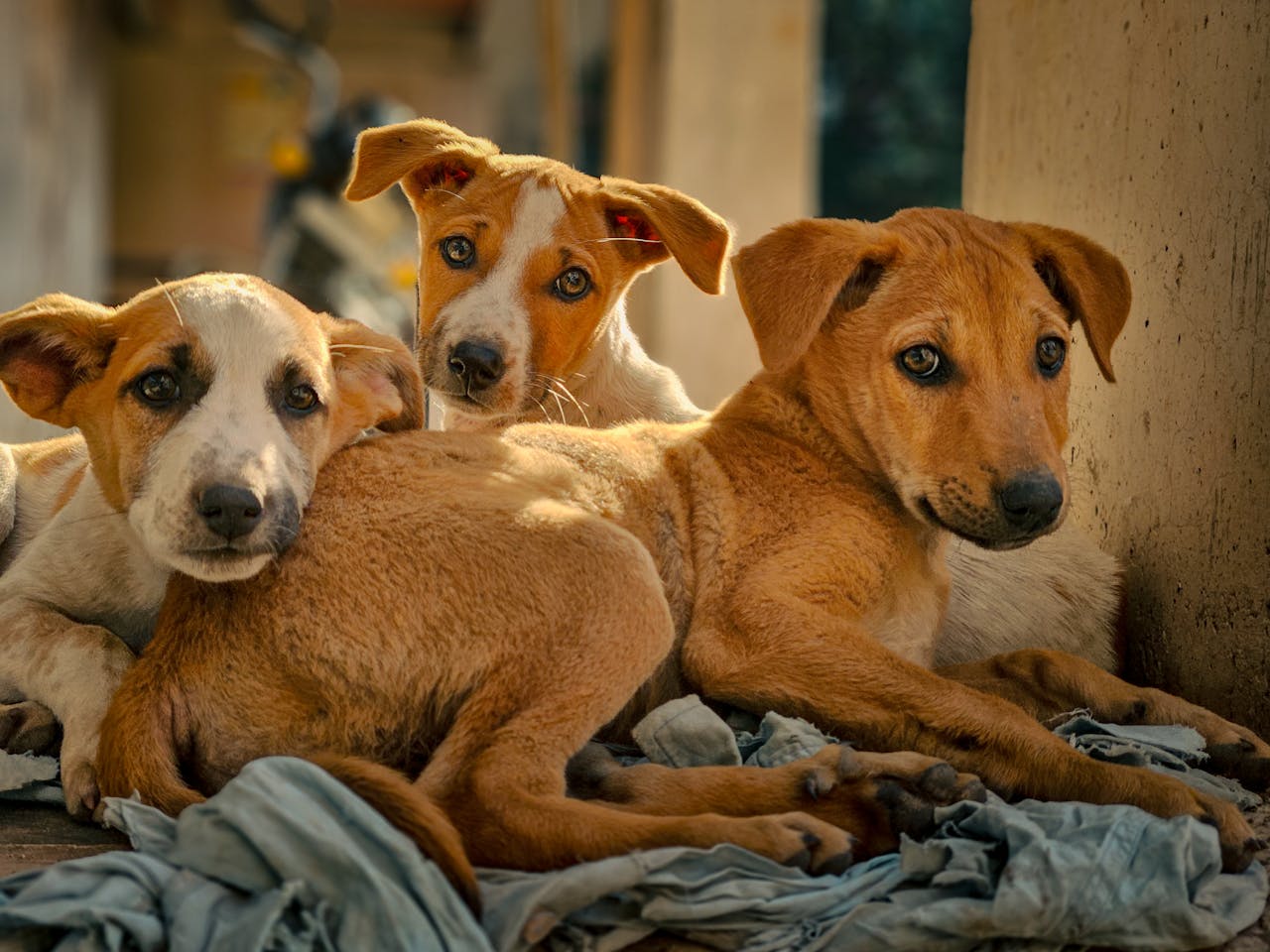
The Indian Pariah Dog, often called the Desi Dog or Indian Street Dog, is one of the oldest and most naturally evolved dog breeds in the world. Highly intelligent, alert, and loyal, this breed has survived for thousands of years alongside humans in India. When raised in a home, Pariah dogs are affectionate, emotionally sensitive, and deeply loyal to their family.
The Indian Pariah Dog is perfectly adapted to the Indian climate. Whether it’s extreme heat, heavy rain, or humidity, this breed handles it effortlessly. Their short coat, lean body, and strong immunity make them far more comfortable in Indian weather than most foreign breeds. They do not require air conditioning, special cooling systems, or climate-controlled environments.
This natural adaptability makes them ideal for both urban and rural India, including hot South Indian regions and humid coastal areas.
One of the biggest advantages of the Indian Pariah Dog is its simple and low-cost food requirement. They thrive on basic home-cooked Indian food such as rice, ragi, vegetables, boiled eggs, chicken, fish, and curd. Their digestive system is strong, and they rarely suffer from food allergies or stomach issues.
They do not need expensive dog food or supplements unless recommended by a vet. However, spicy, oily, and salty food should still be avoided to maintain long-term health.
Indian Pariah Dogs make excellent family companions. They are gentle with children, protective of elders, and naturally cautious around strangers. While they are not aggressive, they are excellent natural watchdogs and will alert the family if something feels unusual.
They are suitable for apartments, independent houses, and farms. With proper socialisation, they adjust beautifully to indoor life and become emotionally attached to their owners.
Pariah dogs are active and intelligent, but they are not overly demanding. Daily walks, some playtime, and mental stimulation are enough to keep them happy. They learn commands quickly and respond well to kind, consistent training.
Grooming needs are minimal—weekly brushing and occasional baths are enough. They rarely shed excessively and do not require professional grooming.
Indian Pariah Dogs are known for their strong immunity and long lifespan, often living 13–16 years or more. Genetic diseases are rare, and veterinary expenses are usually much lower compared to foreign breeds. Regular vaccinations, deworming, and basic health care are sufficient.
Adoption
Adopting an Indian Pariah Dog not only gives you a loving and loyal companion but also helps reduce the number of homeless dogs in India. These dogs give back ten times the love they receive.